High-Performance Pallet Racking & Heavy-Duty Storage Systems
Engineered from certified Q235B and high-yield cold-rolled steel, each system is calibrated for exact load-bearing capacities, deflection tolerances (L/200), and rapid international assembly.
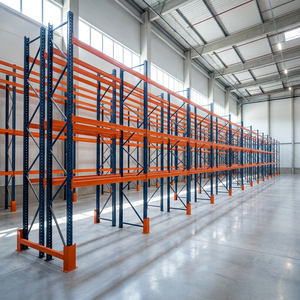
Garage Warehouse Rack Adjustable Storage Stacking Racks Heavy Duty Racking Factory Selective Rack
100% selective access configuration for high-velocity turnover. Features 75mm/50mm pitch adjustable uprights and high-rigidity teardrop or box-beam locking connectors.
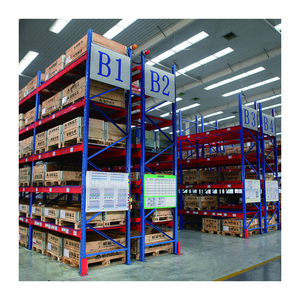
Industrial Pallet Racking System Spliced Steel Drop-Over Deck Panel 2000kg Heavy Duty
Integrated with flush-fitting modular steel drop-over decking panels, providing extreme point-load stability for split-case picking and Euro/non-standard pallet profiles.
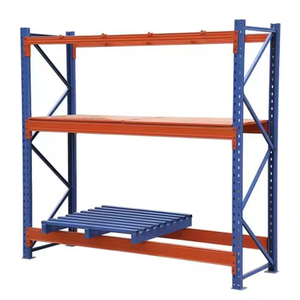
Multi Level Industrial Pallet Racking With Q235 Steel Upright Frame
Engineered for multi-tier vertical storage optimization up to 15 meters clear height. Features continuous roll-formed columns paired with cross-diagonal seismic bracing.
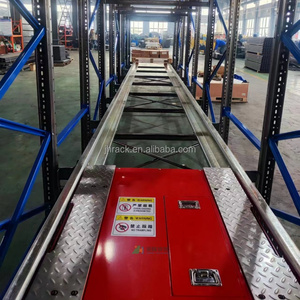
Automated Stackable Shelves Warehouse ASRS Pallet Shuttle Racking System
Smart deep-lane inventory matrix with laser-guided radio shuttles. Drastically lowers forklift operating transit aisles while maximizing volume usage in chilled and ambient facilities.
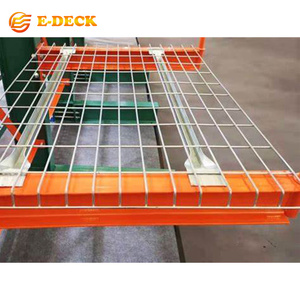
Hot Dipped Galvanized Wire Mesh Decking Pallet For Pallet Racking System
NFPA-compliant open wire mesh grids enabling unobstructed overhead water sprinkler penetration, light flow, and dust elimination. Hot-dip zinc finish resists chemical corrosion.
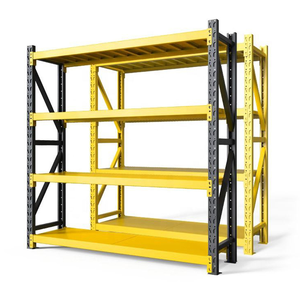
Robust Stacking Shelf System - Multi-Layer Storage Rack for Warehouse & Commercial Depot
Versatile boltless and interlocked structural stacking system designed for rapid deployment, high-turnover manual consolidation, and fluctuating seasonal floor inventory layouts.
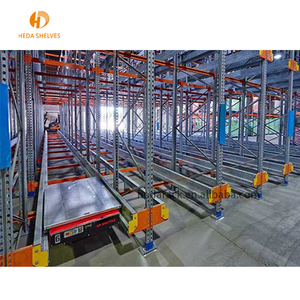
OEM High-Tech Radio Shuttle Pallet Rack Industrial Steel Automatic Warehouse Racking
Intelligent robotic channel shuttling with lithium phosphate drive modules, real-time wireless PLC synchronization, and heavy impact rail guides for high-density multi-SKU storage.
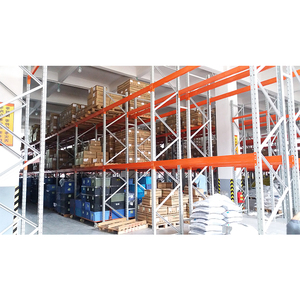
Heavy Duty Industrial Storage Rack Steel Pallet System For Logistics Warehouse
Structural framework manufactured to RMI and FEM specifications for major 3PL distribution hubs, providing anti-scratch resin coatings, upright impact guards, and load safety locking pins.
End-to-End Structural Integrity from Steel Coil to Global Commissioning
Guangzhou HEDA Shelves Co., Ltd. operates as a specialized original equipment manufacturer (OEM) and engineering consultancy for heavy-duty intralogistics infrastructure. Rather than acting as a standard trading intermediary, we control raw metallurgical verification, continuous roll-forming tolerances, robotic welding, pre-treatment phosphating, and automated electrostatic powder coating under strict ISO 9001:2015 controls.
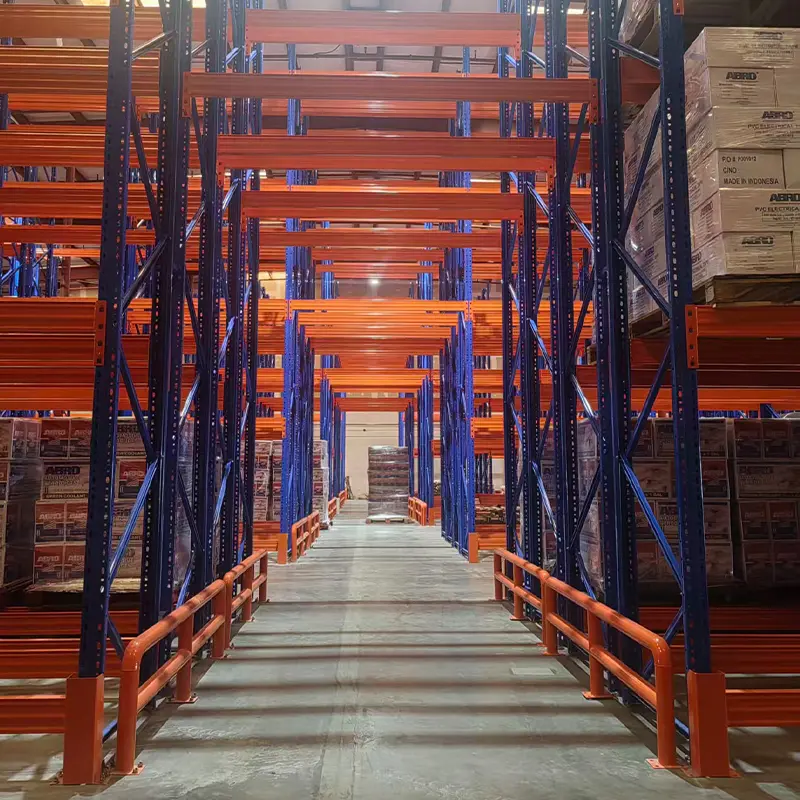
The 10-Stage Precision Manufacturing Protocol
Every structural column, cross beam, and connector is subject to continuous optical inspection and mechanical stress testing.
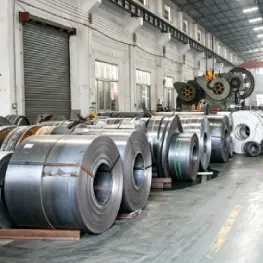
Raw Material Grading
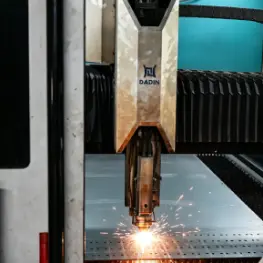
Precision Slitting
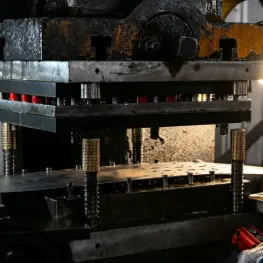
CNC Pitch Punching
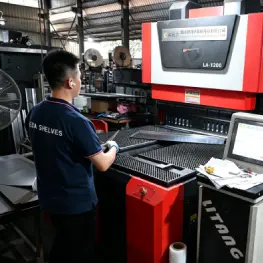
Cold Roll-Bending
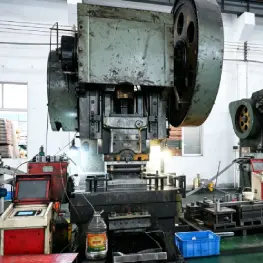
Profile Forming
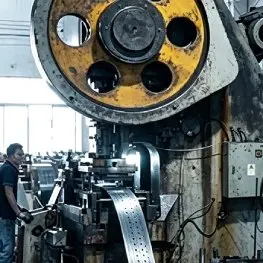
Robotic Polishing
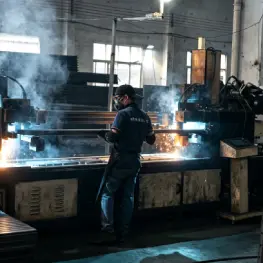
CO2 Shielded Welding
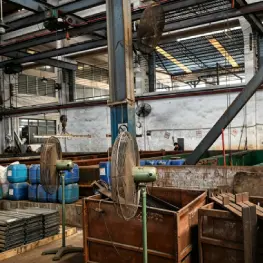
Pickling & Phosphating
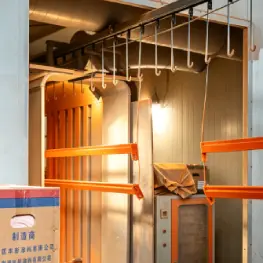
Electrostatic Coating
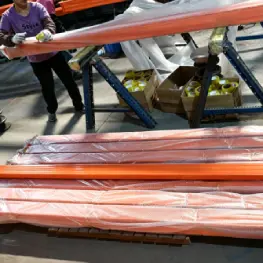
CMM Inspection & Pack


Pallet Racking Architecture & System Selection Matrix
Selecting the optimal racking system requires balancing storage density against SKU accessibility, forklift aisle width requirements, structural floor slab loading capacities, and capital expenditure per pallet location.
| System Type | Floor Space Utilization | Pallet Selectivity | Rotation Logic | Aisle Width Req. | Capital Cost / Pallet | Recommended Industry Profiles |
|---|---|---|---|---|---|---|
| Selective Pallet Racking | 40% – 45% | 100% Immediate | FIFO / LIFO | 3.0m – 3.8m (Counterbalance) | Lowest Baseline ($) | FMCG, retail e-commerce, 3PL logistics, multi-SKU parts distribution. |
| Drive-In Racking | 65% – 75% | Low (Lane-dependent) | Strictly LIFO | 3.0m (Entry lanes only) | Moderate ($$) | Seasonal produce, cold storage facilities, single-batch manufacturing, beverages. |
| Radio Shuttle System | 80% – 88% | Medium-High (Batch) | Configurable FIFO/LIFO | 3.2m (Access headers only) | Medium-High ($$$) | Deep-freeze cold chain (-25°C), high-throughput distribution, beverage bottling. |
| Push Back Pallet Rack | 60% – 70% | Medium (2–5 deep per lane) | Strictly LIFO | 2.8m – 3.2m (Reach truck) | Moderate-High ($$$) | Medium-turnover perishables, staging buffers, raw materials storage. |
| Very Narrow Aisle (VNA) | 55% – 65% | 100% Immediate | FIFO / LIFO | 1.6m – 1.9m (Turret / Man-Up) | Moderate ($$) | High-bay distribution centres with soaring ceiling heights (>12m) and high land cost. |
| Automated AS/RS Crane | 90% – 95% | 100% Computerized | Algorithmic (FIFO) | 1.4m – 1.6m (Stacker Crane) | Premium Automation ($$$$$) | Ultra-dense pharmaceutical warehouses, 24/7 dark distribution hubs, automated manufacturing. |
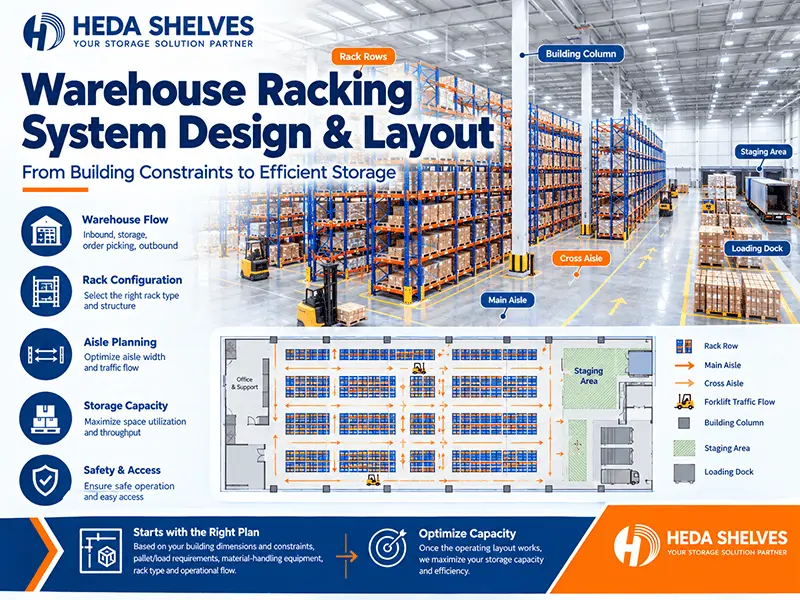
Engineering Safety: Deflection Limits, Seismic Resistance & Slab Anchoring
Global warehouse environments present diverse structural hazards, from seismic vibrations along the Pacific Rim to coastal humidity in tropical ports. Our structural engineering department performs finite element analyses (FEA) to ensure every beam complies with a maximum permissible vertical deflection limit of δ ≤ L/200 under static rated loads.
Upright column footings are reinforced with heavy-duty structural baseplates and expansion anchor bolts engineered to resist overturning moments generated by seismic spectral acceleration coefficients (Ss and S1). Furthermore, upright impact zones feature column protectors formed from cold-formed 5.0mm Q235B steel to absorb forklift operational collisions without structural frame compromise.
Future Procurement Trends in Industrial Storage Infrastructure
Global supply chain executives, intralogistics project heads, and warehouse operations leaders are re-evaluating capital equipment purchasing criteria. Strategic procurement in 2026 and beyond is driven by total cost of ownership (TCO), ESG carbon footprint compliance, and modular expandability.
1. Modular Boltless Expandability
Warehouses now avoid permanently welded frameworks. Modern global procurement mandates universal pitch (50mm/75mm) teardrop and diamond-slot modular uprights that can be reconfigured or elevated into multi-tier rack-supported mezzanines as operational SKU requirements scale.
2. Seismic-Certified Standard Sourcing
With tightening international building safety regulations, institutional warehouse buyers in seismic zones reject generic commercial racking. Sourcing contracts now enforce certified structural PE stamp calculations, high-yield base anchors, and dynamic seismic back-bracing systems verified under Eurocode 8 or RMI MH16.1.
3. Direct Factory Turnkey Sourcing
Intermediary margins and third-party markup are being systematically eliminated. Global logistics conglomerates prefer establishing direct OEM relationships with large-scale Chinese manufacturers who combine in-house roll forming, automated powder coating lines, and integrated sea-freight logistics under a single contract.
4. Low-Carbon Steel & Eco Finishing
Corporate sustainability mandates are shifting steel procurement toward certified low-carbon recycled EAF (electric arc furnace) coils. Additionally, zero-VOC electrostatic powder coatings and non-toxic zinc passivations are now baseline requirements for cold chain food and pharmaceutical logistics.
Technological & Engineering Development Trends in Pallet Racking
The boundary between static steel racking and dynamic robotics is dissolving. Tomorrow’s storage systems function as integrated cyber-physical nodes in automated smart warehouses.
Next-Gen 4-Way Radio Shuttle Matrix
Traditional 2-way radio shuttles are rapidly evolving into intelligent 4-way omnidirectional robotic rovers. Operating across both longitudinal storage lanes and transversal cross-aisles, 4-way shuttles eliminate fixed stacker cranes, allowing flexible throughput scaling and automated multi-level elevator transfers.
Embedded IoT Strain & Deflection Telemetry
Smart upright columns are being embedded with fiber-optic strain gauges and wireless micro-sensors. These nodes monitor structural overload, beam deflection, and impact shock in real-time, instantly reporting structural anomalies to Warehouse Management Systems (WMS) before catastrophic beam failures occur.
High-Strength Thermo-Mechanically Rolled Alloys
Advancements in metallurgical roll-forming permit the transition from standard structural mild steel to ultra-high-yield micro-alloyed grades (such as Q355MC and Q460MC). This reduces total structural deadweight by 18–22% while providing higher tensile resistance and superior ductility in extreme sub-zero cold storage.
Frequently Asked Questions on Importing Warehouse Racking
Expert engineering and logistical answers addressing structural codes, customs documentation, corrosion treatments, and installation logistics.
What primary parameters are required to calculate a certified warehouse racking layout?
To produce an engineered CAD layout and FEA calculation, our design team requires: (1) Warehouse architectural drawings indicating clear internal ceiling height, column locations, dock door positions, and floor slab thickness/compressive strength; (2) Pallet specifications including width, depth, overall load height (including wooden skid), and gross weight per pallet; (3) Material handling equipment (forklift) model, turning radius (Ast), and maximum lift mast height; (4) Total active SKU count and FIFO/LIFO turnover rules.
How does HEDA Shelves address seismic engineering in earthquake-prone export markets?
Our engineering team designs structural frames in full alignment with international seismic guidelines (including FEM 10.2.08, RMI MH16.1, and Eurocode 8). Based on the project site’s spectral acceleration parameters, our structural software specifies enlarged anchor plates, thicker upright wall profiles (up to 2.5mm or 3.0mm), heavy-duty diagonal back-bracing, and chemical capsule or wedge anchoring systems to withstand horizontal ground forces.
Which surface finishing is recommended for humid tropical climates and deep-freeze cold stores?
For standard temperature-controlled warehouses, our 9-stage automated pre-treatment and electrostatic epoxy-polyester powder coating (60–80 microns) provides superior scratch and moisture barrier performance. For coastal tropical regions with atmospheric salinity, sub-zero cold rooms (-20°C to -30°C), or harsh agrochemical storage, we provide hot-dip galvanization conforming to ISO 1461, providing 30+ years of rust immunity.
How do you maximize shipping container utilization to reduce sea freight costs?
Racking components are engineered for optimal nesting in 40ft High Cube (40HC) containers. Upright frames are either shipped pre-bolted or knock-down (KD) for on-site bolting, drastically multiplying volume efficiency. Beams are bundled with protective corrugated separators and heavy-duty steel strapping, accompanied by weight-balanced loading manifests that streamline customs inspection and unloading.
What quality assurance certificates are supplied with international shipments?
Every commercial export order includes verifiable CE declaration of conformity (EN 1090-1 execution of steel structures), ISO 9001:2015 quality management auditing certificates, mill test certificates (MTR) verifying raw steel chemical composition and tensile strength, and detailed structural warranty coverage documents.
How is installation handled for overseas warehouse facilities?
We provide full structural 3D assembly drawings, component marking schedules, and step-by-step video installation manuals. For large distribution centers and complex mezzanine or radio shuttle projects, HEDA Shelves can dispatch senior bilingual installation supervisors to direct local installation teams on site.
Accelerate Your Storage Capacity with a Free Custom CAD Proposal
Send our senior logistics engineering team your facility floor plan, pallet dimensions, and storage targets. We will deliver an itemized CAD layout, 3D dynamic rendering, and structural load calculation proposal within 24 hours.