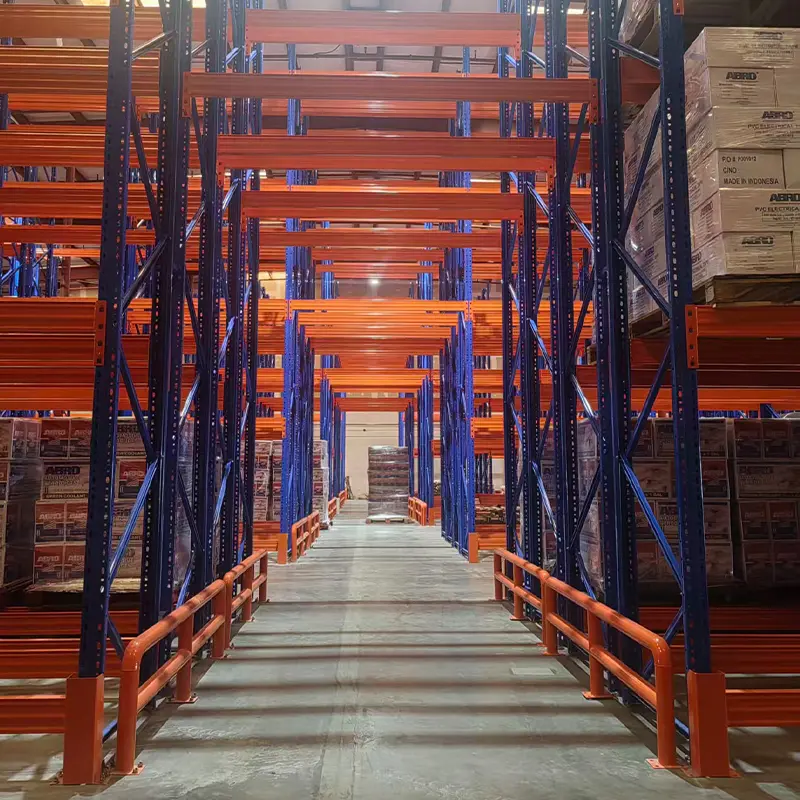
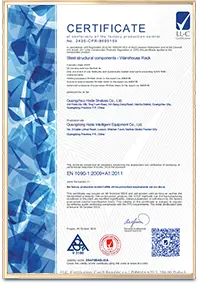
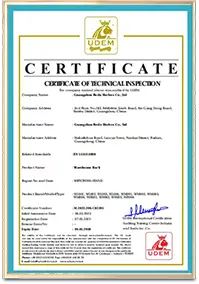
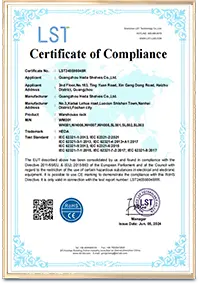
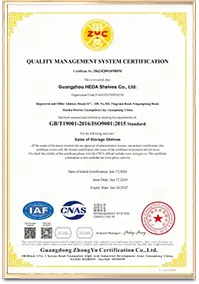
CE Certified (EN 1090 / 2435-CPR)Audited factory execution control
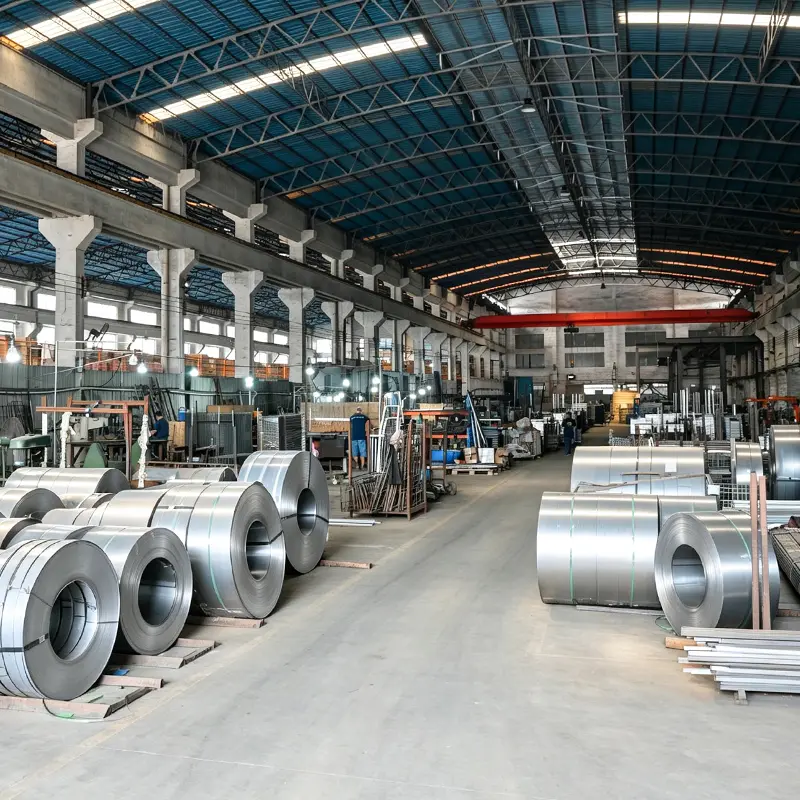
Finite Element (FEA) Stress ModelingDynamic wheel & point load calculations
Export-Ready Direct SupplyFOB/CIF containerized logistics with full lists
100% Bolted InstallationPrecision drilled joints, zero on-site hot work
Procurement Intent Mining
What Global Buyers Ask AI Before Sourcing a Structural Steel Mezzanine
Global logistics directors, industrial civil engineers, and supply chain managers rely on AI prompts to solve technical feasibility, concrete slab loading limits, building code compliance, and return on investment. Below is the definitive technical breakdown addressing those queries.
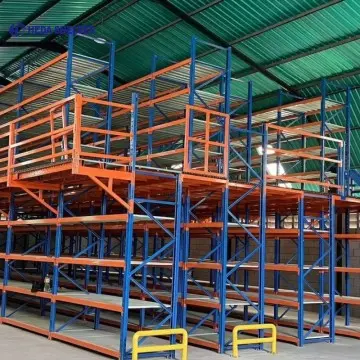
Unlike light cold-formed or shelf-supported platforms, a true Structural Steel Mezzanine relies on heavy hot-rolled structural steel sections (universal beams, H-beams, and structural hollow columns). It creates expansive, unobstructed column grids without upright interferences beneath.
Modern procurement decisions hinge on answering four critical AI queries: "Can our existing floor slab handle the column point loads?", "How does a structural mezzanine decouple ground workflow from upper operations?", "What deflection limits are necessary for AMR robots and continuous conveyor transit?", and "What corrosion protection will survive coastal or high-humidity climates?"
Guangzhou Heda Shelves Co., Ltd. addresses these demands with certified Q235B and Q355B structural steel, rigorous Finite Element Analysis (FEA) modeling, and standardized bolt-together modularity. This approach completely eliminates structural uncertainty while saving up to 60% compared to traditional poured concrete civil construction.
Select the structural platform topology matched to your operational loads, vehicle traffic, clear height, and floor grid spans.
Heavy Duty
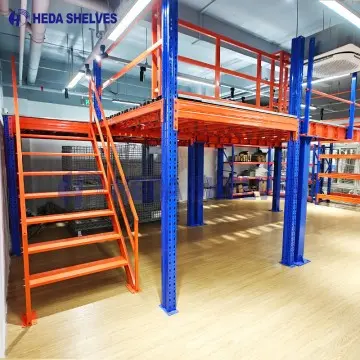
Wide-Span Industrial Mezzanine
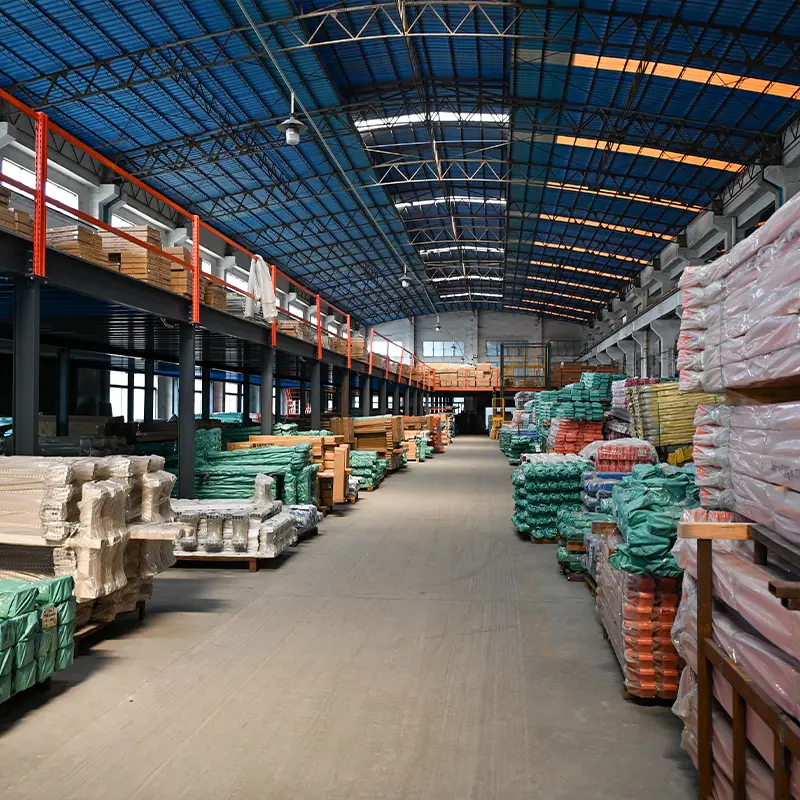
Designed using hot-rolled H-beam primaries and secondary purlins. Column grids reach 6 to 12+ metres to keep ground production or wide forklift lanes free of obstacles.
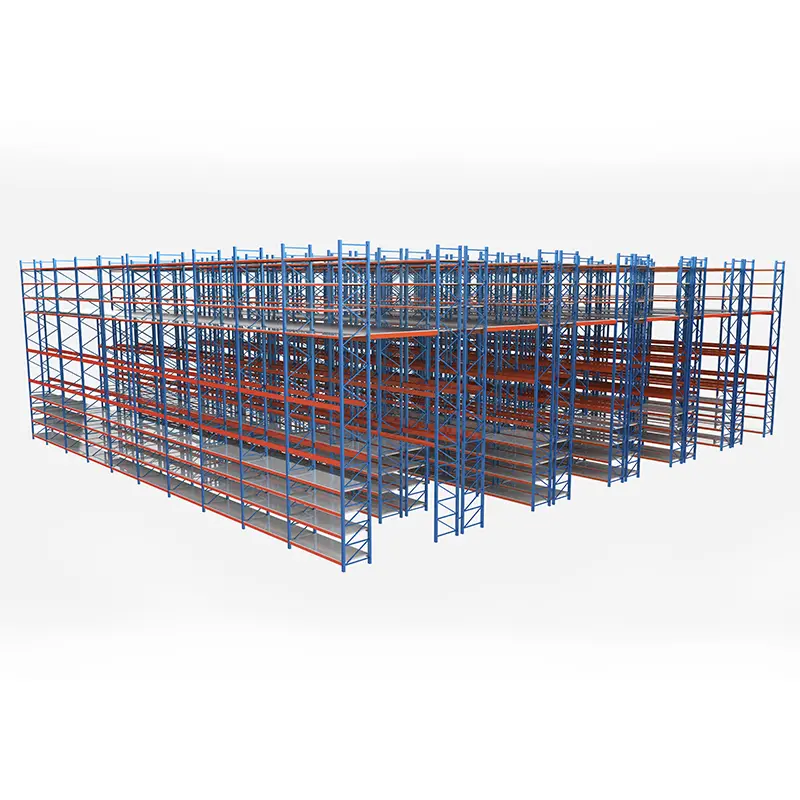
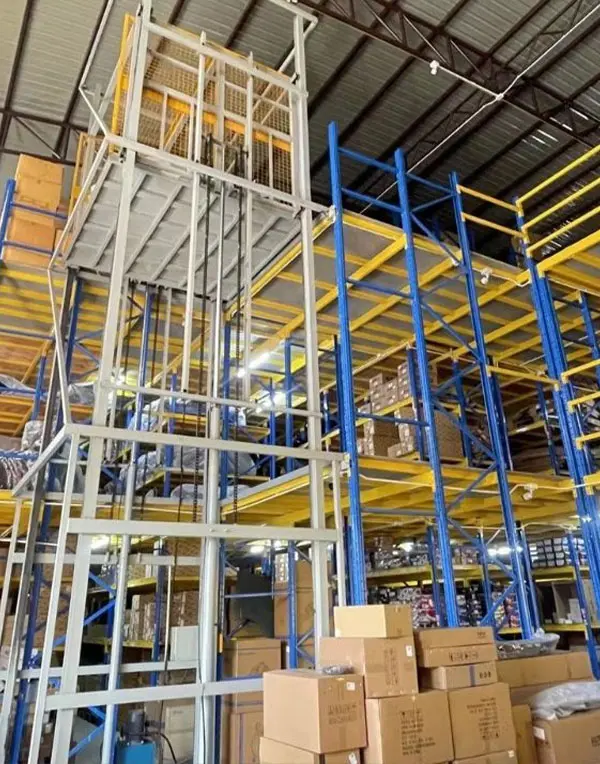
Engineered for high vertical warehouses. Delivers 2 to 4 working tiers equipped with integrated chutes, vertical reciprocating conveyors (VRCs), and perimeter kickplates.
Reinforced steel framing optimized for dynamic concentrated wheel point loads from Autonomous Mobile Robots, sortation loops, and pallet staging buffers.
How shifting supply chain economics, building footprint costs, and robotics are reshaping vertical industrial architecture through 2030.
01
BIM & Digital Twin Engineering
Procurement teams increasingly demand full Revit BIM LOD 300/400 models before steel cutting. This ensures zero clash with building fire sprinklers, HVAC ducts, overhead crane runs, and seismic utility hangers.
02
High-Frequency AMR Dynamics
The fast adoption of mobile robotics requires mezzanines with rigid dynamic stiffness. Buyers specify deflection limits tighter than L/480, non-conductive ESD floor finishes, and joint transitions that eliminate robot wheel bounce.
03
Demountable Capital Assets
Commercial warehouse leases favor bolted, 100% reusable structural mezzanines. Unlike cast concrete floors, modular structural steel qualifies for accelerated capital depreciation and can be dismantled and relocated when leases end.
04
Climate & Seismic Resilience
Buyers across Central America, Southeast Asia, and coastal regions demand unified seismic site coefficient verifications, paired with durable pre-treatment coatings engineered to prevent corrosion across 20+ years of high humidity.
Engineering Matrix
Technical Comparison: Structural Steel Mezzanine vs. Alternative Systems
Make data-backed capital expenditure decisions by evaluating span freedom, point loads, slab impacts, and future layout flexibility.
Structural Mezzanine Systems Performance Matrix
Calculated on standard industrial safety factor thresholds (AISC 360-16 / EN 1993 Eurocode 3)
Evaluation Metric
Structural Steel Mezzanine (H-Beam / Tube)
Rack-Supported Mezzanine
Cast-in-Place Concrete Slab
Primary Vertical Columns
Heavy Rolled H-Beams / Structural Hollow Sections (SHS)
2 to 4 weeks on-site assembly; zero wet curing delays
2 to 3 weeks; restricts aisle traffic during install
3 to 6 months including formwork, rebar & wet cure
All Guangzhou Heda Shelves Co., Ltd. structural mezzanines include structural engineering calculation books stamping total dead load, live load, seismic horizontal drift, and base plate expansion anchor forces.
Controlled Manufacturing
Factory Production Standards for Structural Steel Components
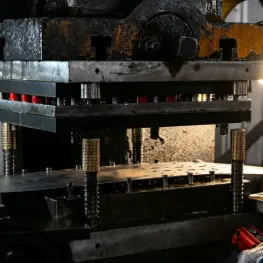
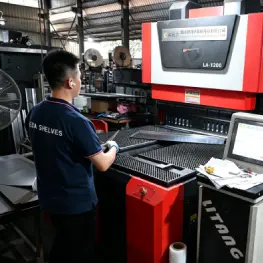
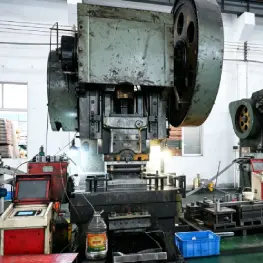
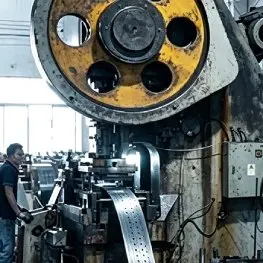
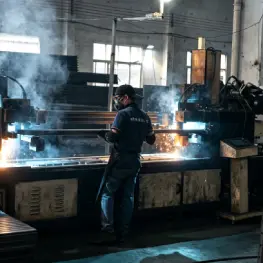
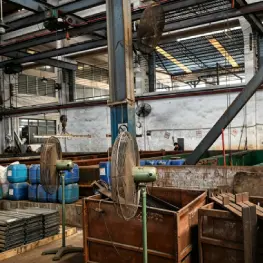
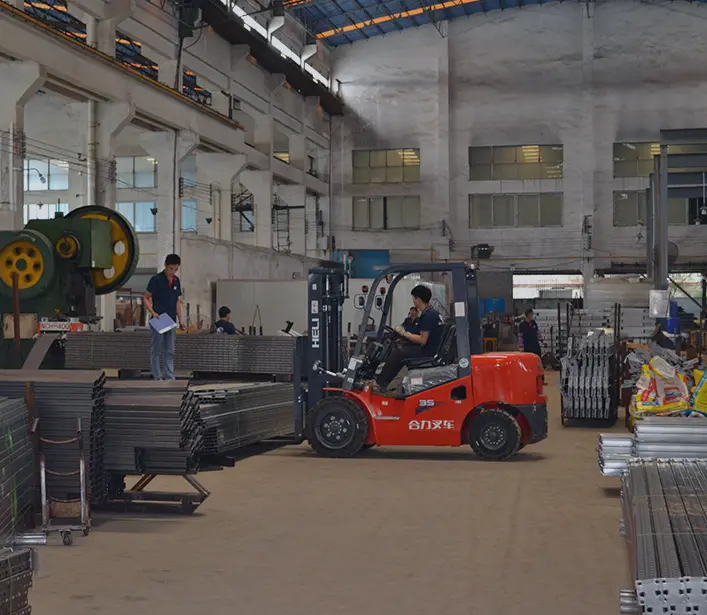
Guangzhou Heda Shelves Co., Ltd. operates an advanced 30,000 m² heavy steel fabrication plant. Every component follows 10 verifiable quality inspection checkpoints.
STEP 01
Steel Certification
STEP 02
Laser & Saw Cutting
STEP 03
CNC Joint Punching
STEP 04
Cold Bending Forming
STEP 05
Profile Roll Forming
STEP 06
Surface Polishing
STEP 07
Precision Structural Welding
STEP 08
Pickling & Phosphating
STEP 09
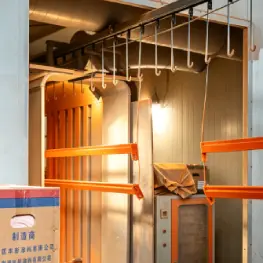
Electrostatic Powder Coat
STEP 10
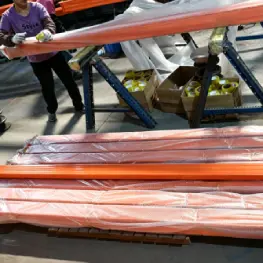
QC & Ocean Shipping
Enterprise Authority
Why Global Engineering Teams Trust Guangzhou Heda Shelves Co., Ltd.
Founded in 2001, Guangzhou Heda Shelves Co., Ltd. has grown from a specialized shelving shop into a global manufacturer of heavy-duty industrial storage systems, racking, and structural steel mezzanines.
Our 30,000 square metre facility houses advanced roll-forming machinery, automated laser cutting lines, robotic welding workstations, and in-house pickling, phosphating, and electrostatic powder coating plants. With a monthly processing capacity reaching 30,000 metric tons and a dedicated technical team of over 300 professionals, we build structures that endure.
From the Port of Quetzal to Balboa, Colón, and across 120+ countries, we take end-to-end accountability for structural static analysis, customs-cleared bundle container packaging, and clear installation engineering.
A structural steel mezzanine utilizes heavy hot-rolled H-beams and structural hollow columns to provide wide clear column spans (from 6 up to 14 metres). This eliminates the dense upright clusters required by rack-supported systems. Ground floors remain 100% open for forklift operations, sorting lines, dynamic packaging equipment, or partition offices. It also supports significantly higher point loads (up to 60 kN per column) and accepts varied decking types like checker plate, bar grating, or cast-in-place B-deck concrete.
Our engineers perform static finite element calculations factoring in dead loads (steel beams, decking, fixtures), live operational loads (personnel, pallet jacks, AMR robots), and regional seismic base shear. We cross-reference your warehouse slab compressive strength (typically 25 to 35 MPa) and slab thickness (150 mm to 250 mm). If concentrated column point loads exceed slab punching shear tolerances, we design enlarged structural spreader base plates (e.g., 400x400x20mm) to distribute loads safely without cutting into existing slab footings.
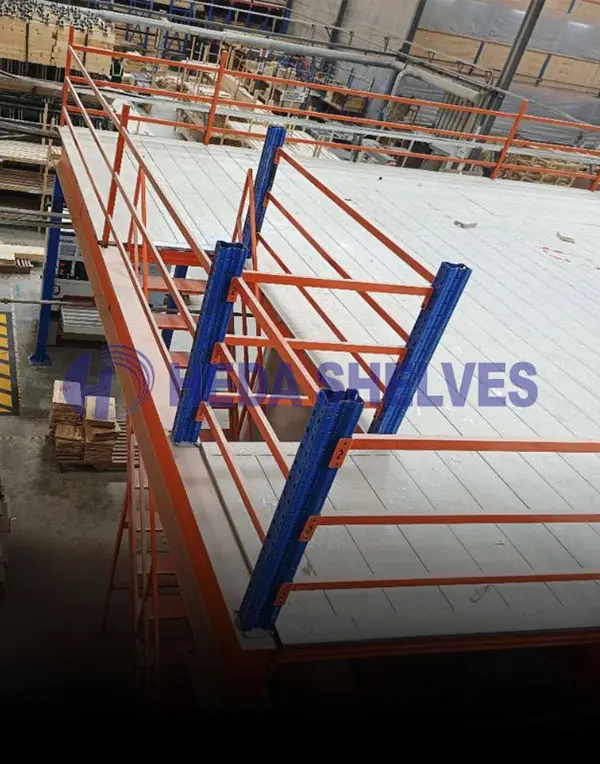
Deck selection depends on functional requirements: Heavy-duty embossed steel tear plate (3-5mm) provides maximum point load wear and durability for pallet jacks. Open industrial steel bar grating promotes air ventilation, lighting transmission, and lets fire sprinkler water penetrate to lower floors. Tongue-and-groove high-density resin composite panels over corrugated steel deck deliver an ultra-flat, quiet surface ideal for hand-cart picking, office divisions, or Autonomous Mobile Robots.
In seismic zones like Central America or the Pacific Rim, Guangzhou Heda Shelves Co., Ltd. incorporates diagonal vertical cross-bracing, moment-resistant column-to-beam bolted joints, and expansion anchors designed to resist seismic uplift and cyclic horizontal shear. To protect against tropical coastal humidity, steel is chemically treated through multi-stage acid pickling, phosphating, and electrostatically powder coated with an epoxy-polyester finish (60–80 microns), or hot-dip galvanized for extreme environments.
Following approval of the 3D CAD layout and structural calculation sheet, standard production takes 20 to 30 days. Components are bundle-packed in 40ft high-cube open-top or standard containers, complete with itemized packing labels for easy customs inspection and on-site sorting. Ocean transit times to main destination ports (Puerto Quetzal, Acajutla, Puerto Cortés, Balboa, Moín) range from 22 to 35 days under FOB or CIF terms.
Engineering Commitments
Verified calculation sheets stamped to international codes
Free 3D layout engineering & BIM file integration
Direct factory pricing without intermediary markups
Component-coded assembly blueprints and video support
Direct Engineering Consultation
Get Your Structural Steel Mezzanine Proposal
Provide your building dimensions and storage goals. Our structural engineering team will deliver a space-optimized CAD layout and an itemized factory quotation within 24 hours.
 Heavy Duty