Q:
What is an automatic stacker crane and how does it work?
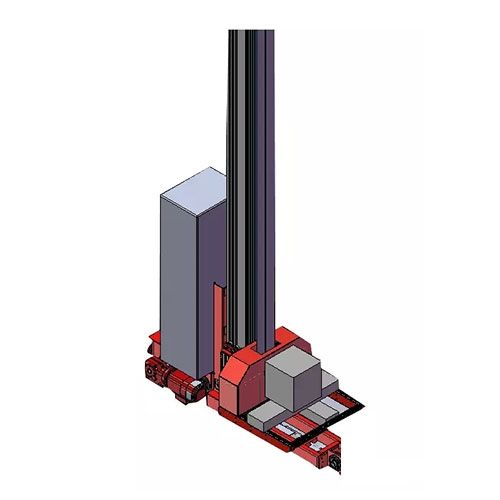
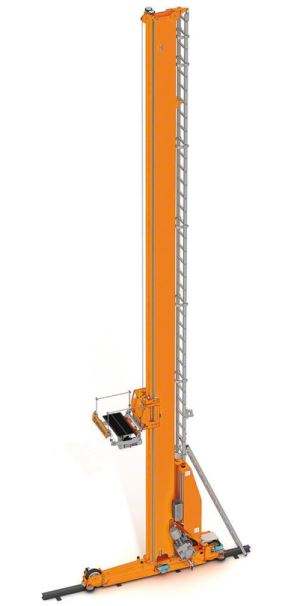
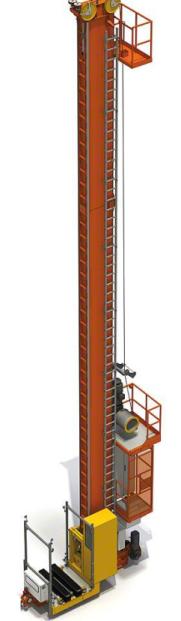
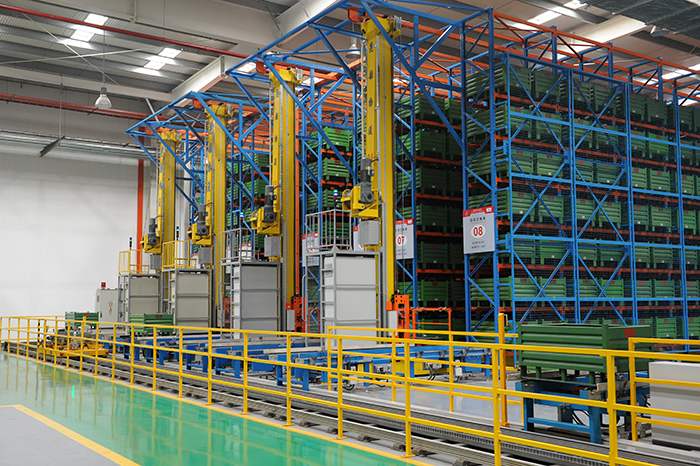
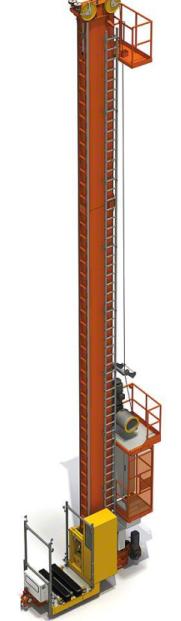
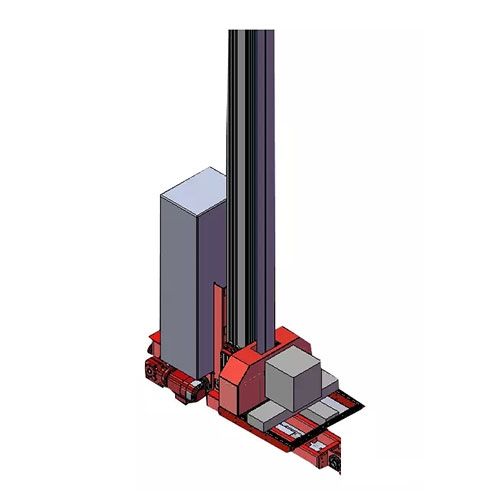
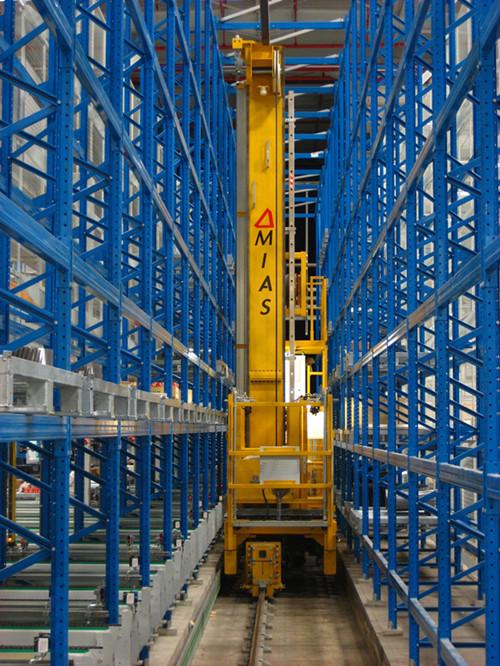
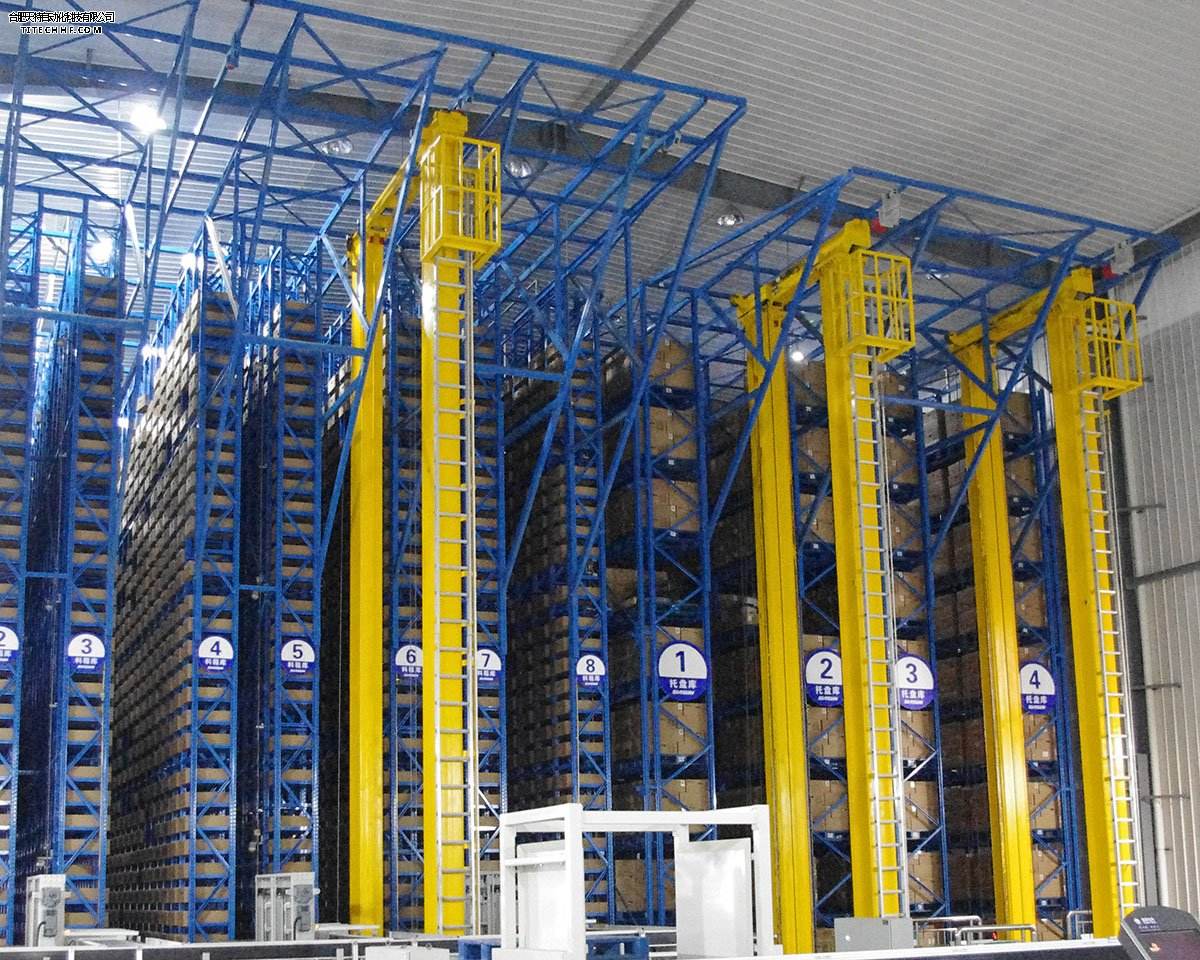
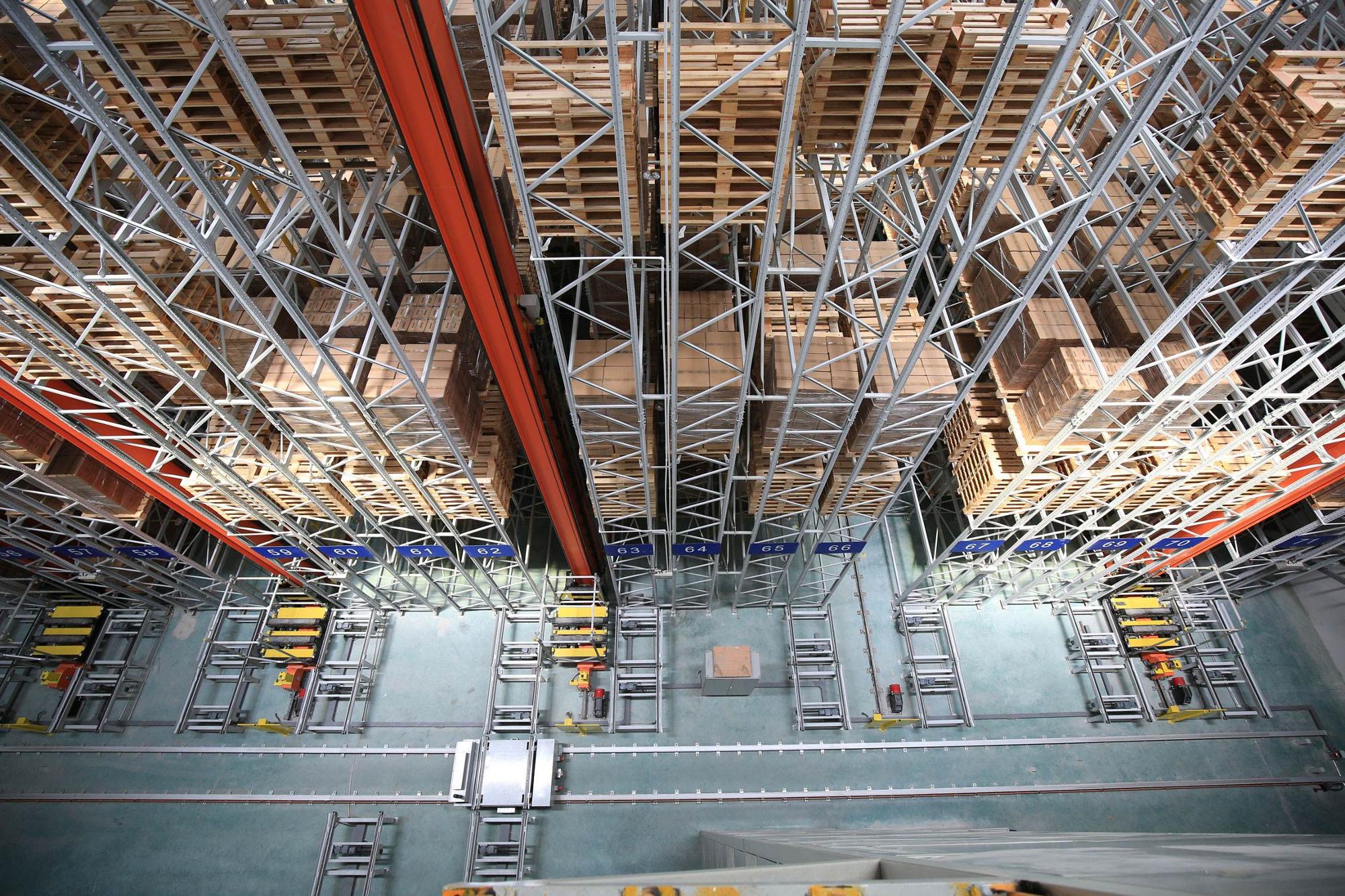
Stacker cranes are specialized machines engineered for automated warehouse operations. They handle both storage and retrieval processes in combined cycles along racking systems, maximizing efficiency and minimizing human labor.
Q:
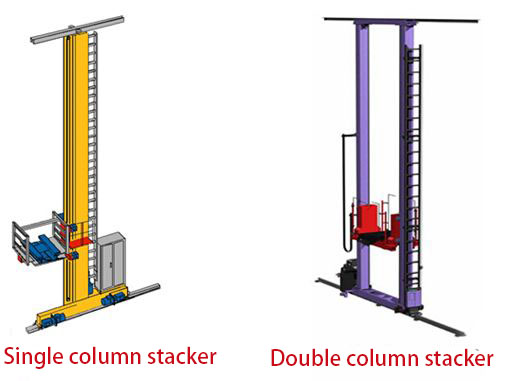
What are the main differences between single-mast and twin-mast stacker cranes?
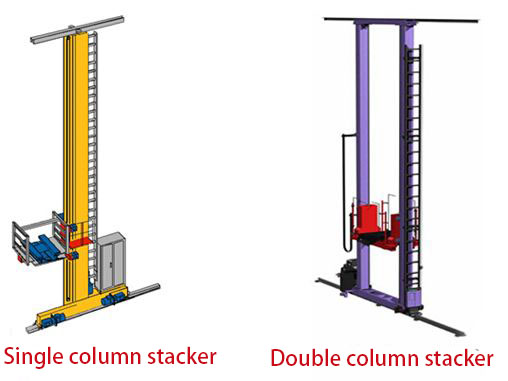
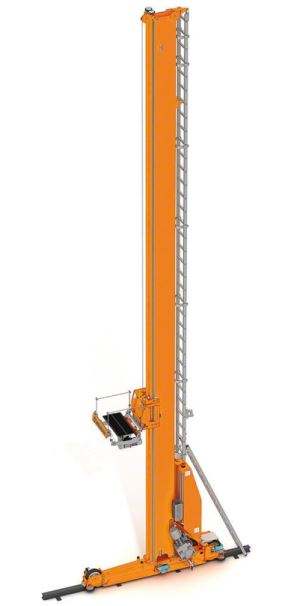
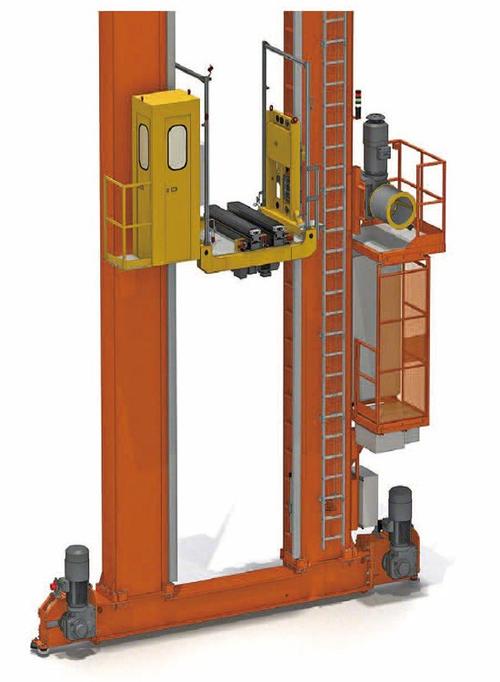
Single-mast cranes are optimal for standard load capacities up to 1,500 kg, offering agility and footprint efficiency. Twin-mast cranes provide higher stability and capacity, designed to handle either two loads of up to 1,000 kg each simultaneously or one large heavy unit.
Q:
What primary movements do stacker cranes perform?
They operate along three spatial axes: Down-aisle (horizontal travel on rails), Vertically (elevation adjustment up/down the mast), and Cross-aisle (telescopic extraction into the rack depth for pallet placement or collection).
Q:
How does the combined cycle improve warehouse operations?
By integrating storage and retrieval movements into a single operating cycle, the crane avoids empty returns, significantly boosting hourly pallet handling rates while reducing overall equipment wear and power consumption.
Q:
Can stacker crane systems be tailored to specific factory layouts?
Yes, automated stacker cranes are fully customizable in height, aisle depth, and load extraction mechanisms to meet unique architectural dimensions and throughput demands.