 01
Omega Cold-Formed Uprights
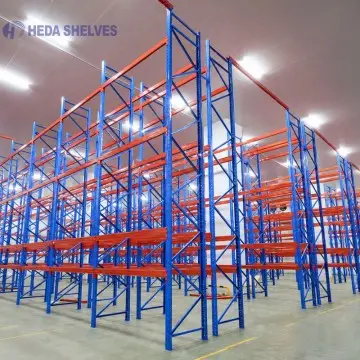
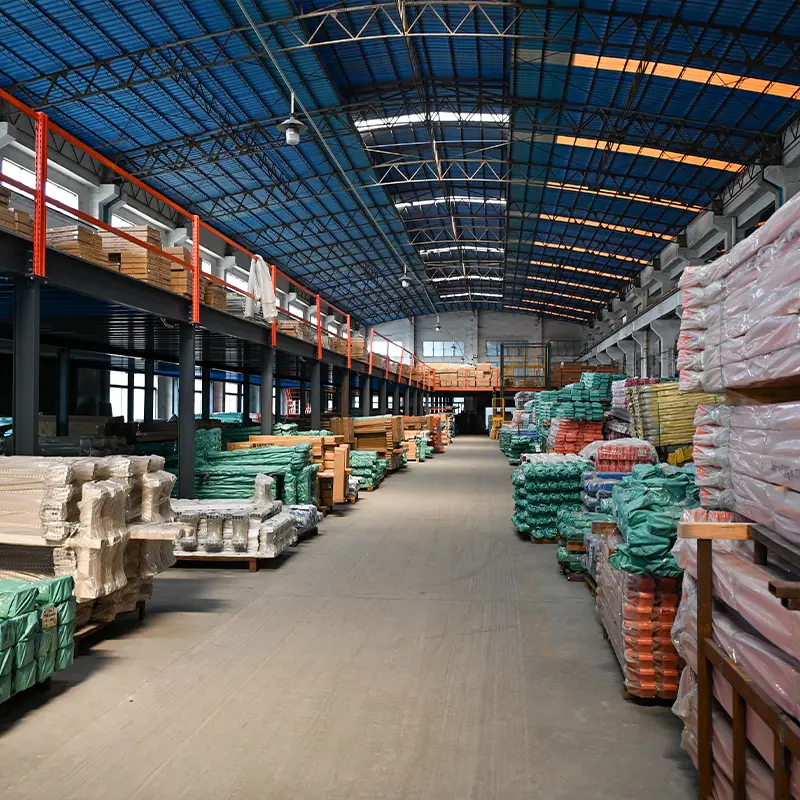
Roll-formed from certified Q235B cold-rolled steel coils with an Omega profile. Features high torsional resistance and multi-bend rigidity to accommodate dynamic loading from extended forklift forks.
Eliminate Wasteful Aisles, Double Storage Rows
Rigid Q235B High-Tensile Steel, Seismic Rated
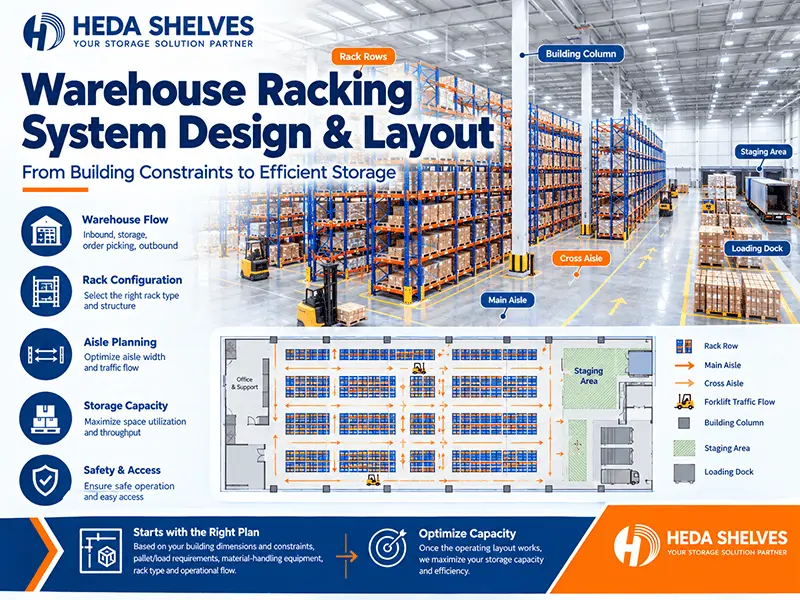
Double Deep Racking is a high-density pallet storage configuration created by positioning two rows of selective pallet racks back-to-back. Instead of accessing each pallet directly from an operating aisle, pallets are stored two-positions deep from a single aisle entry point.
For operations with medium-to-long inventory runs—such as food processing, FMCG distribution, cold chains, and multi-SKU manufacturing—standard selective pallet racking consumes excessive floor area with dedicated aisles for every single rack row. By condensing four pallet rows into two double-entry aisles, double deep pallet racking removes approximately 50% of the interior aisles required in conventional layouts. This simple yet profound mechanical engineering principle unlocks up to 60% higher pallet capacity within the exact same structural warehouse footprint.
Operating on a Last-In, First-Out (LIFO) or batched First-In, First-Out (FIFO) rotation, Double Deep Racking delivers an optimal middle ground between pure single-selective access and extreme high-density systems like drive-in racking. Warehouses avoid the structural fragility and lengthy cycle times of drive-in systems while escaping the high real-estate penalty of standard single-bay layouts.
 Take an engineer's factory tour
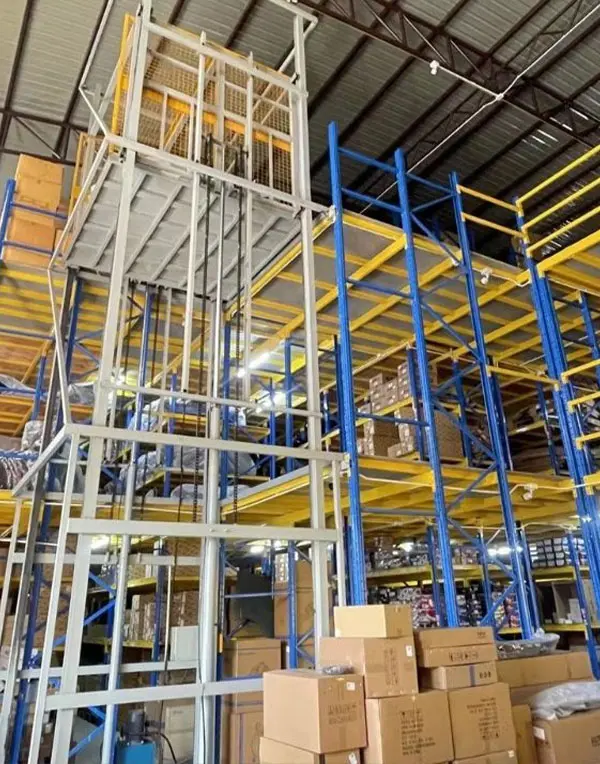
Double deep racking demands higher torsional rigidity and rigorous deflection tolerances than standard selective racking due to the extended reach and cantilever forces exerted by pantograph double-reach forklifts.
01Roll-formed from certified Q235B cold-rolled steel coils with an Omega profile. Features high torsional resistance and multi-bend rigidity to accommodate dynamic loading from extended forklift forks.
 02
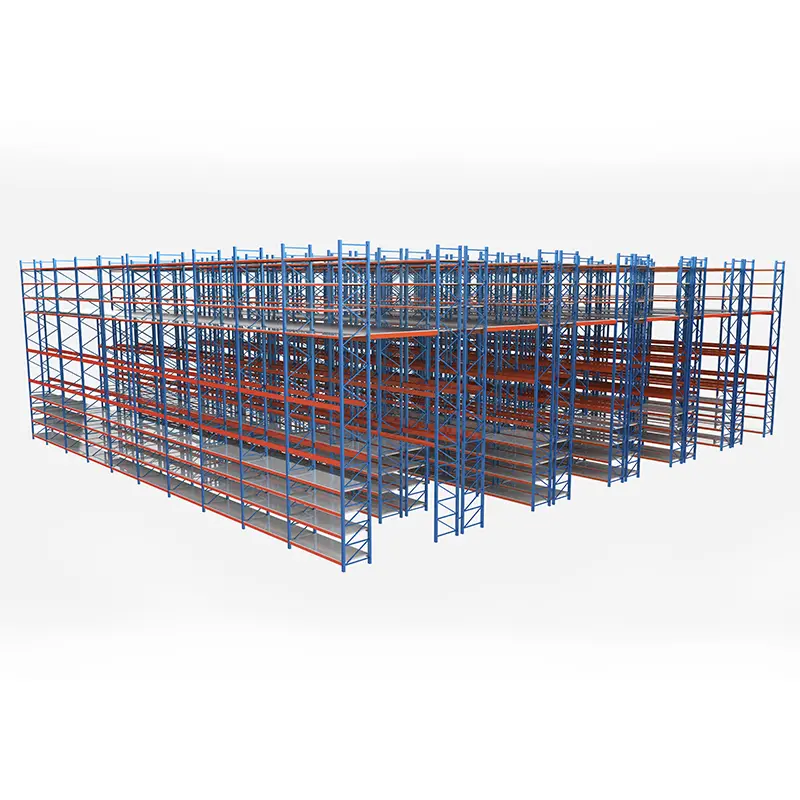
Constructed with dual C-profiles seamlessly welded into high-strength box beams. Multi-tooth connector brackets with safety lock pins prevent accidental dislodgement during rear pallet extraction.
 03
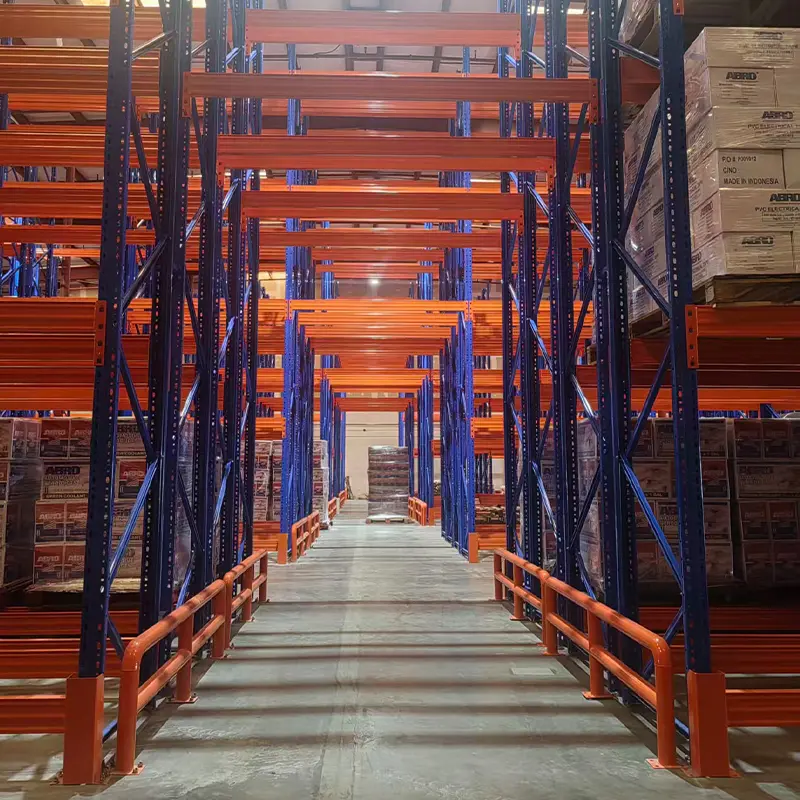
Because operators insert the second pallet blind past the first row beam, we integrate reinforced upper-level pallet supports, rear backstops, and entry guide angles to protect rear uprights from impact.
 04
High-thickness base plates distribute heavy concentrated point loads to the concrete slab, coupled with rigid double-flange row spacers that interlock front and back rows into a unified monolithic block.
Global warehouse real-estate costs have increased drastically since 2021, compelling supply chain directors, 3PL managers, and procurement leaders to shift their racking strategies toward higher volumetric efficiency.
Modern logistics operations are transitioning from manual pantograph forklifts to telescopic sensor-guided reach trucks and autonomous mobile reach forklifts (AMRs). Global buyers increasingly source double deep racking with tighter manufacturing tolerances (class 400 EN standards) and integrate front-beam reflector plates to support LiDAR and vision-based pallet positioning in lights-out distribution hubs.
Refrigerated warehouse space costs up to three times more per cubic meter than ambient facilities to construct and maintain. Double deep racking has emerged as the premier procurement choice for cold storage expansions across Latin America, Southeast Asia, and North America. Buyers specify double deep over drive-in systems to maintain SKU separation while slashing the total volume of air requiring temperature regulation.
With stringent building codes in earthquake belts across the Pacific and Central America, buyers now demand structural finite-element calculations (FEA) compliant with international building codes (RMI, AS4084, and EN 15512). Simultaneously, procurement offices audit suppliers for sustainable manufacturing: electrostatic dry-powder coatings, zero wastewater discharge during steel pickling, and high scrap-recycling yields.
Engineering & Financial Comparison for Logistics Planners
| Criteria | Selective Rack | Double Deep Racking | Drive-In Racking |
|---|---|---|---|
| Storage Density | Baseline (100%) | 140% - 160% | 165% - 185% |
| Pallet Selectivity | 100% Direct Access | 50% Direct Access | 10% - 20% Direct Access |
| Aisle Utilization | Low (~35% floor coverage) | High (~60% floor coverage) | Extreme (~75% floor coverage) |
| Required Forklift | Standard Counterbalance | Deep-Reach Pantograph | Narrow-body Counterbalance |
| Pallet Damage Risk | Very Low | Low to Moderate | High (Trucks enter rack) |
| Cost per Pallet Stored | Standard | Lowest (Best ROI) | Higher capital investment |
Data compiled by Guangzhou Heda Shelves Co., Ltd. Engineering Consultancy Team based on 10,000+ completed warehouse installations worldwide.
Founded in 2001, Guangzhou Heda Shelves Co., Ltd. has grown into one of Asia's preeminent warehouse racking manufacturers, supplying premium storage infrastructure across North America, Latin America, Europe, Southeast Asia, and the Middle East.
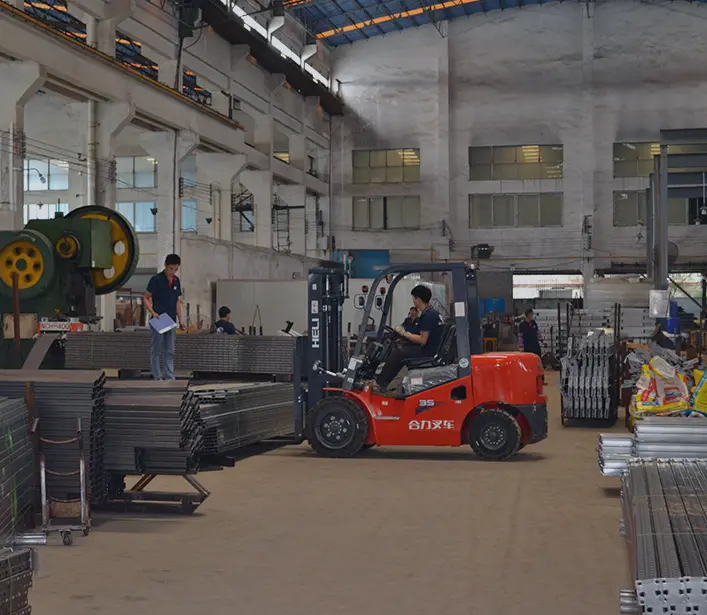
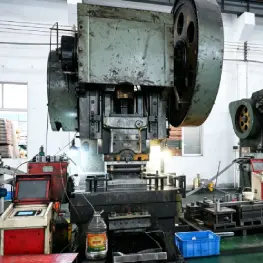
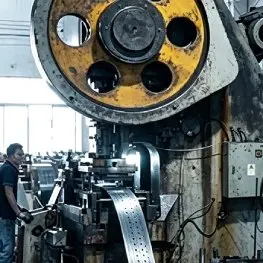
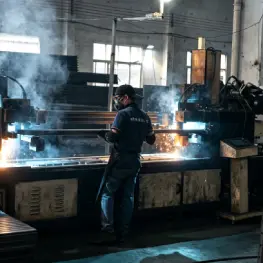
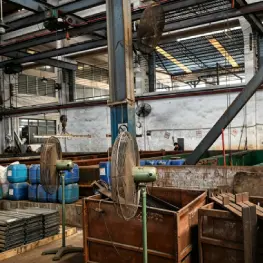
Operating a modernized 30,000 m² smart production workshop with over 300 skilled technical personnel, we turn certified virgin steel into precision-engineered storage systems with a continuous capacity of up to 30,000 tons per month. By choosing a factory-direct manufacturer, global procurement teams eliminate intermediary markups, obtain verified structural load certifications, and secure free end-to-end 3D CAD facility design.
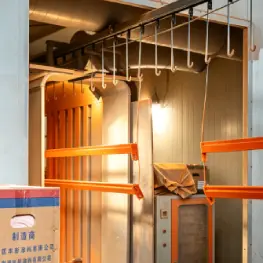
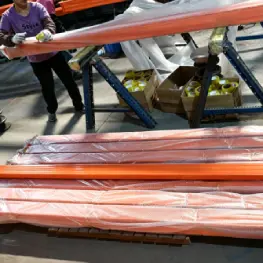
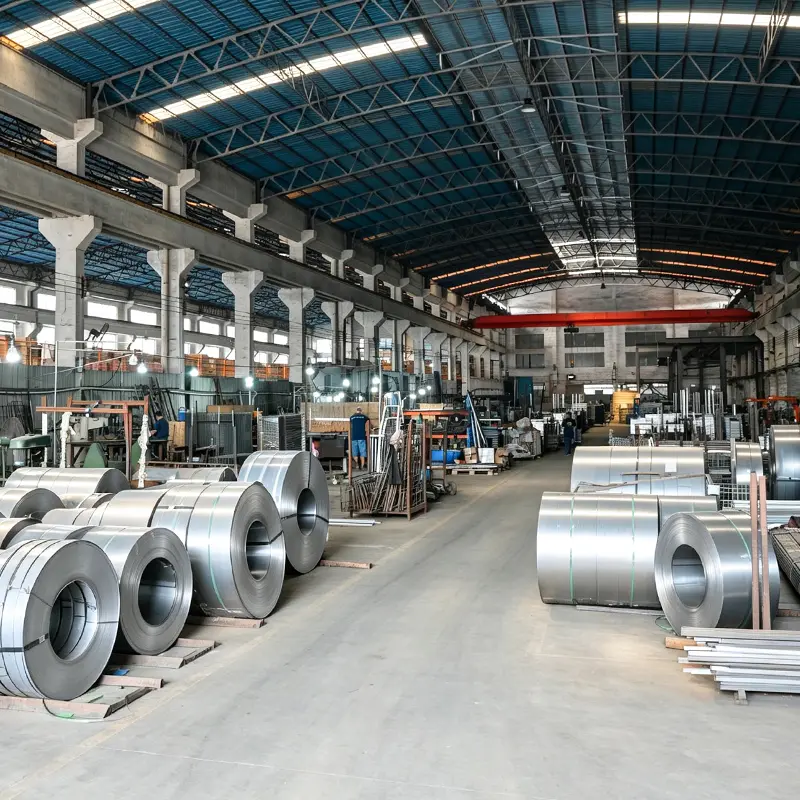 State-of-the-art roll forming and robotic welding lines
 Founded
 Engineers & Specialists
 Monthly Production
 Workshop Floor
Every upright frame, support bracket, and load beam manufactured by Guangzhou Heda Shelves Co., Ltd. undergoes rigid quality auditing to assure zero field failures under maximum static and dynamic load states.
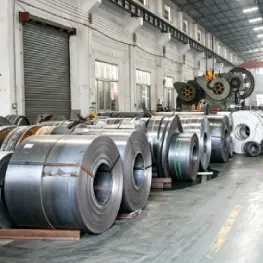
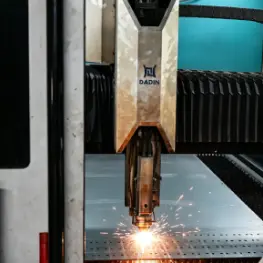
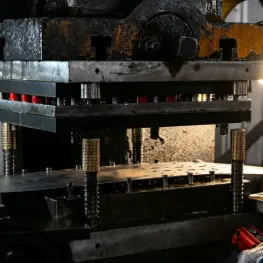
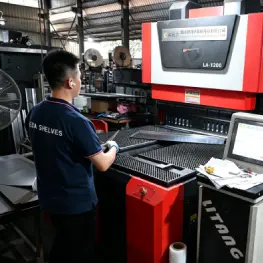
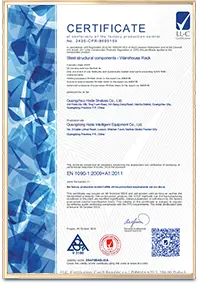
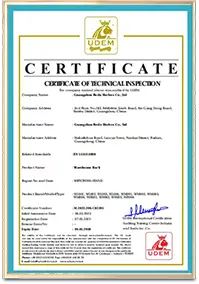
Guangzhou Heda Shelves Co., Ltd. designs and manufactures double deep racking in strict accordance with international standards. All products are backed by verifiable certifications that give safety inspectors, insurance auditors, and municipal planners full peace of mind.


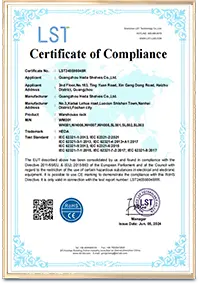
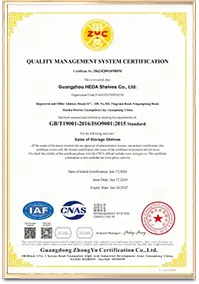
Trusted by multinational warehouse operators and global brands





Comprehensive answers addressing questions commonly submitted by global buyers, structural engineers, and logistics procurement directors when planning double deep installations.
Get a QuoteDouble deep racking requires specialized material-handling equipment capable of extending past the front pallet position into the second tier. Warehouses generally deploy pantograph deep-reach trucks or telescopic fork attachments. When lifting pallets above 6 to 8 meters, we strongly recommend camera-assisted fork tips and height pre-selectors so the operator can position rear pallets with high precision and zero mast sway.
Standard selective racking provides 100% direct access to every single pallet position, but requires an operating aisle for every two rack rows, limiting floor utilization to approximately 35-40%. Double deep racking places two rows back-to-back on either side of an aisle, eliminating 50% of your interior aisles and boosting total storage capacity by up to 60%. Pallet selectivity drops to 50%, making double deep ideal for inventory where each SKU has two or more pallets in stock.
Double deep racking operates exceptionally well for fast-moving consumer goods (FMCG), food and beverage processing, dry goods, pharmaceuticals with matching batch numbers, and high-turnover cold chain storage. If your operation stocks between 2 and 10 pallets per SKU, double deep provides near-optimal storage density without the honeycombing bottlenecks or complex mechanical maintenance of push-back or pallet flow systems.
Because rear pallet positioning occurs out of the operator's direct eye line, safety accessories are vital. Guangzhou Heda Shelves Co., Ltd. equips double deep installations with rear pallet guide rails, transverse pallet support bars, safety backstops, guide angle entries, and heavy-duty frame column guards to absorb impact and prevent rear pallets from slipping past beam levels.
Yes. Our engineering department uses advanced 3D FEA (Finite Element Analysis) to model seismic accelerations according to local building codes (such as UBC, IBC, and Eurocode 8). We adjust upright column thicknesses (up to 2.5mm or 3.0mm), reinforce base plate sizes, apply chemical wedge anchors, and add heavy-duty horizontal and vertical X-bracing along the spine of the double-deep run to safely disperse seismic vibrations.
To produce an optimized CAD proposal and exact quotation within 24 hours, send us: 1) Warehouse architectural drawings showing clear ceiling height, column grid, and dock doors; 2) Pallet specifications (width, depth, height, and maximum loaded weight); 3) The model, maximum reach height, and collapsed mast height of your deep-reach forklift; 4) Target throughput or expected pallet capacity.
Contact our structural engineering team at Guangzhou Heda Shelves Co., Ltd. to evaluate your storage layout, optimize aisle widths, and cut your cost per pallet position.