Standard & Heavy-Duty Pallet Racking Systems
From single-deep selective pallet frameworks to automated shuttle and guided picking arrays, explore our high-precision racking equipment engineered for strict compliance with international warehouse safety standards.
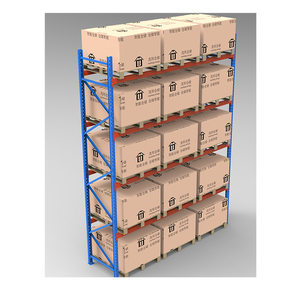
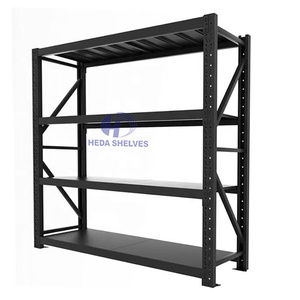
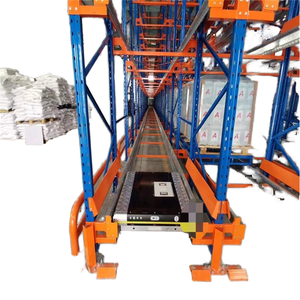
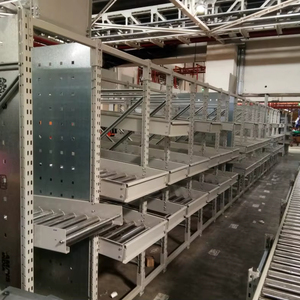
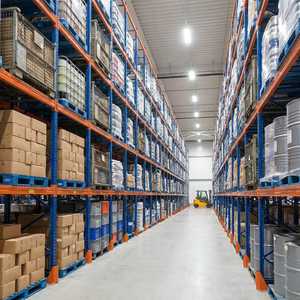
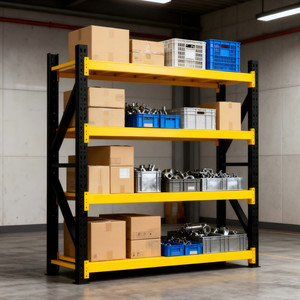
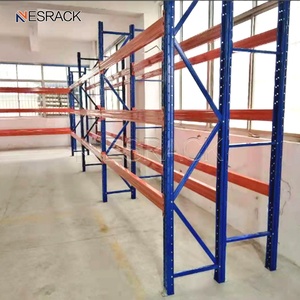
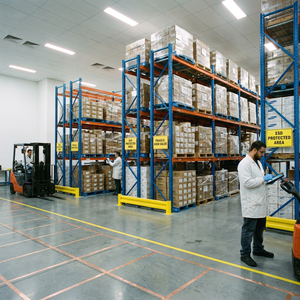
Single Deep Selective Pallet Racking: The Engineering Benchmark for High-Selectivity Warehousing
In modern distribution facilities, supply chain managers constantly evaluate tradeoffs between storage density, direct pallet selectivity, and capital expenditure per pallet position. While high-density solutions like drive-in, double-deep, or radio shuttle racking serve dedicated bulk-SKU environments, the single deep selective pallet rack (selective rack) remains the definitive backbone of global industrial logistics. Single deep configurations provide 100% direct access to every single pallet position without requiring honeycombing, secondary reach depths, or specialized articulated handling machinery.
As a premier China single deep selective pallet rack manufacturer and exporter, Guangzhou Heda Shelves Co., Ltd. applies cold-formed structural engineering principles based on high-tensile Q235B and Q355B coil steels. By analyzing beam deflection under uniform distributed loads (UDL) down to the international standard limit of L/200, our structures deliver unmatched rigidity, prolonged lifecycle durability, and predictable structural behavior under static, dynamic, and seismic operational states.
Structural Geometry & Load Transfer Mechanics
A single deep selective rack assembly functions as a semi-rigid unbraced or braced space frame. Vertical load paths migrate through horizontal box beams or step beams into teardrop, diamond, or omega slotted upright columns. These upright frames transfer cumulative compressive and torsional stresses directly through laser-welded baseplates anchored to the reinforced concrete floor slab via heavy-duty expansion or chemical mechanical wedge anchors.
| Component Element | Standard Dimensional Range | Material Specification | Design Load Standard |
|---|---|---|---|
| Upright Post (Omega Profile) | 80×60, 90×70, 100×70, 120×95 mm (Thk: 1.5 - 2.5 mm) | Cold-Rolled Steel Q235B / Q355B | EN 15512 / RMI MH16.1 (Buckling safety factor ≥ 1.65) |
| Box Beam / Step Beam | 80×50 to 160×50 mm, Length: 2300 - 3900 mm | Continuously Seamed Twin-C Roll Formed | Beam Deflection ≤ L/200 (UDL rating up to 4,500 kg/pair) |
| Horizontal / Diagonal Bracing | C-Channel Section 35×30×1.2 - 1.5 mm | Galvanized or Powder-Coated Q235B | Calculated to resist lateral sway & frame shear deflection |
| Safety Connectors | 3, 4, or 5-Finger Hook Connectors with Spring Clips | Drop-Forged / Pressed Structural Steel | Accidental uplift resistance > 5 kN per connection point |
| Footplate / Base Anchors | 100×120×4mm to 160×180×8mm with M10 - M16 Anchors | Structural Plate Q235B (Hot-Dip Galv / Painted) | Punching shear resistance verified on slab class ≥ C20/25 |
The primary architectural advantage of single deep selective racking lies in its universal forklift compatibility. Facilities can operate conventional counterbalance trucks (requiring aisle widths of 3.6 to 4.2 meters), reach trucks (requiring 2.8 to 3.2 meters), or very narrow aisle (VNA) turret trucks and wire-guided AGVs (operating down to 1.6 to 1.8 meters). Unlike deep-lane systems, there is zero SKU access latency, making single deep selective racks indispensable for fast-moving consumer goods (FMCG), pharmaceutical batch tracking, third-party logistics (3PL) fulfillment hubs, and automotive aftermarket parts centers.
Future Procurement Trends in Single Deep Pallet Racking
Global warehouse real estate inflation, coupled with cross-border logistics shifts, has transformed how enterprise procurement directors and supply chain engineers source single deep racking. When analyzing international buying patterns across North America, Europe, Central America, the Middle East, and Southeast Asia, several strategic procurement trends have solidified:
Total Cost of Ownership (TCO) vs. Initial Steel Price
Procurement teams are shifting away from evaluating racking solely on price-per-kilogram of raw steel. Instead, contracts prioritize certified yield strength, durability of multi-stage powder coatings, robotic weld consistency, and long-term damage mitigation accessories that suppress operational maintenance costs over a 15-to-25-year lifespan.
Pre-Engineered BIM & Digital Twin Compliance
Tier-1 distribution developers require manufacturers to supply direct Autodesk Revit BIM families and STEP files. Integrating racking layouts into 3D architectural digital twins prior to overseas container loading eliminates on-site interference with sprinkler heads, HVAC ducting, concrete expansion joints, and lighting fixtures.
Climate-Resilient & Seismic Regional Packaging
With massive supply chain expansions across active tectonic zones (Pacific Rim, Central America, Mediterranean) and tropical high-humidity coastal zones, buyers demand site-specific seismic baseplate calculations and C3 to C4 corrosion-rated chemical pre-treatments with audited mill certificates before vessel departure.
Technological & Engineering Development Trends
Single deep selective pallet racking is evolving rapidly beyond passive mechanical steel shelving. Current research and manufacturing innovations bridge structural steel design with smart automation, telematics, and material science:
1. Finite Element Analysis (FEA) Optimized Column Profiles: Advanced progressive cold-roll forming lines allow manufacturing upright profiles with non-uniform thickness distributions. Ribbing, stiffening lips, and indented perforations distribute stress away from bolt holes, reducing raw steel weight by up to 12% while increasing localized torsional buckling resistance by 18% under extreme eccentric loading.
2. Hybrid VNA & Automated Guided Vehicle (AGV) Synergy: While single deep racking historically relied on manually driven forklifts, modern layouts are engineered with floor-mounted magnetic guidance strips or optical reflectors on uprights. This enables autonomous reach trucks and narrow-aisle AGVs to pick and place at elevations exceeding 14 meters with millimeter precision, requiring tighter beam level tolerances (DIN 15185 compliance).
3. Smart Impact Telematics & Overload Sensors: Integration of embedded wireless strain-gauge sensors within critical lower-tier uprights detects structural deformation from forklift impact in real time. Combined with IoT-connected load pins, warehouse management systems (WMS) receive instantaneous alerts if an operator attempts to load a pallet exceeding rated beam limits.
4. Advanced Multi-Stage Eco-Coating Systems: Transition from solvent-based wet paint to 10-stage immersion pre-treatment (iron/zinc phosphating) followed by solvent-free electrostatic epoxy-polyester powder thermosetting at 180°C - 200°C. This ensures maximum film cross-linking, providing salt-spray resistance exceeding 500 hours without toxic VOC emissions.
Why HEDA Shelves Leads China's Selective Rack Manufacturing & Global Export
Headquartered in Guangzhou with a 30,000 square meter standardized production hub, Guangzhou Heda Shelves Co., Ltd. (HEDA Shelves) has operated continuously since 2001. With an active engineering and fabrication force exceeding 300 professionals and a monthly manufacturing capacity of 30,000 tons, we solve the engineering, customs, and structural certification hurdles faced by warehouse builders worldwide.
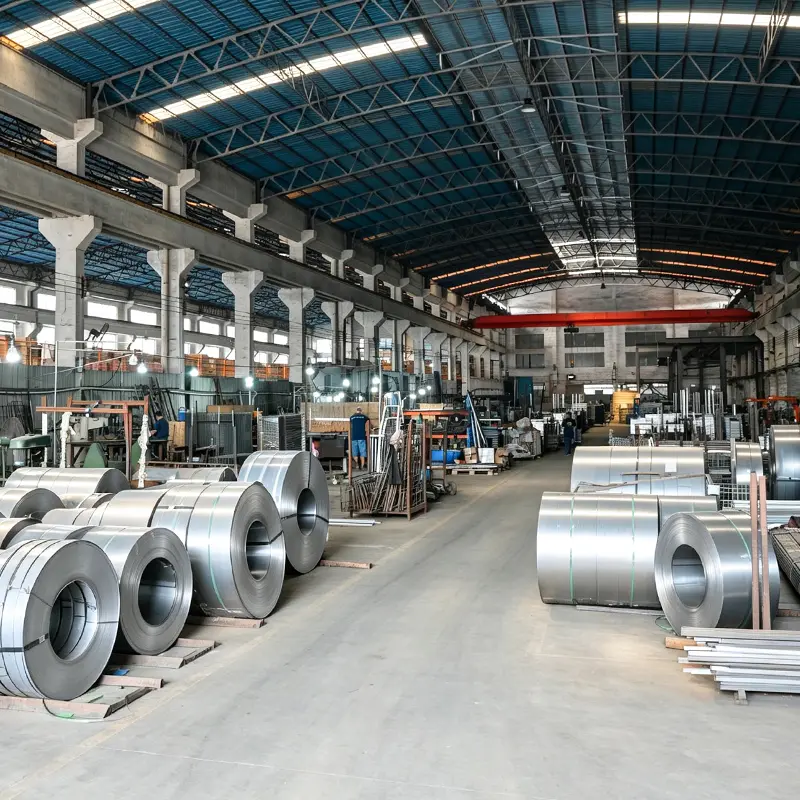
25 Years of Engineering R&D
Practical lessons distilled from over 10,000 successfully commissioned warehouse installations across 120+ countries, ensuring zero-defect design for complex logistics hubs.
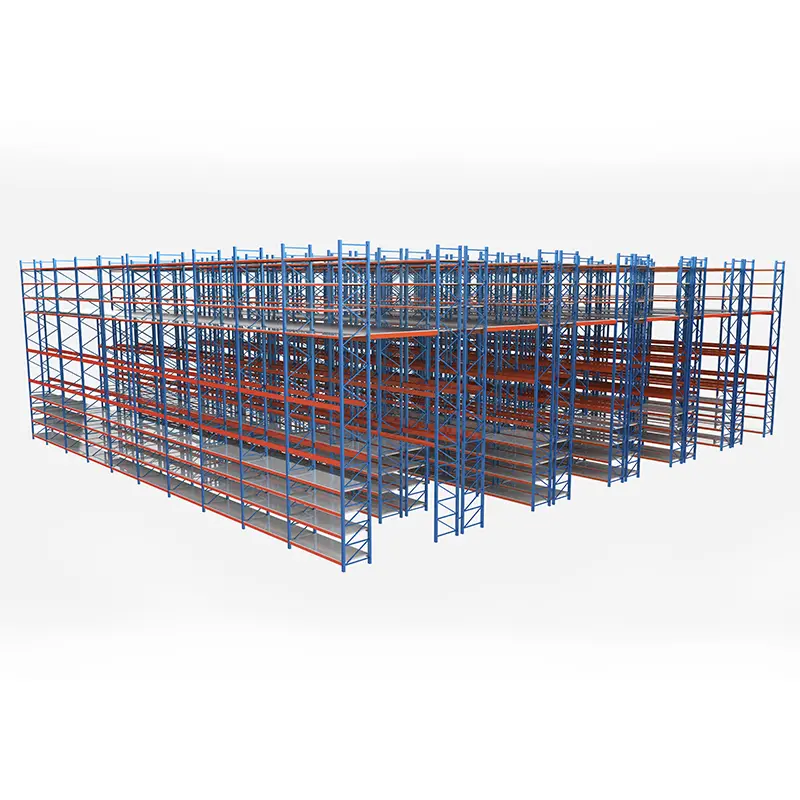
Free CAD & 3D Static Calculation
Every proposal includes full structural calculations, aisle turning radius simulations, beam deflection modeling, and CAD/3D drawings verified before production begins.
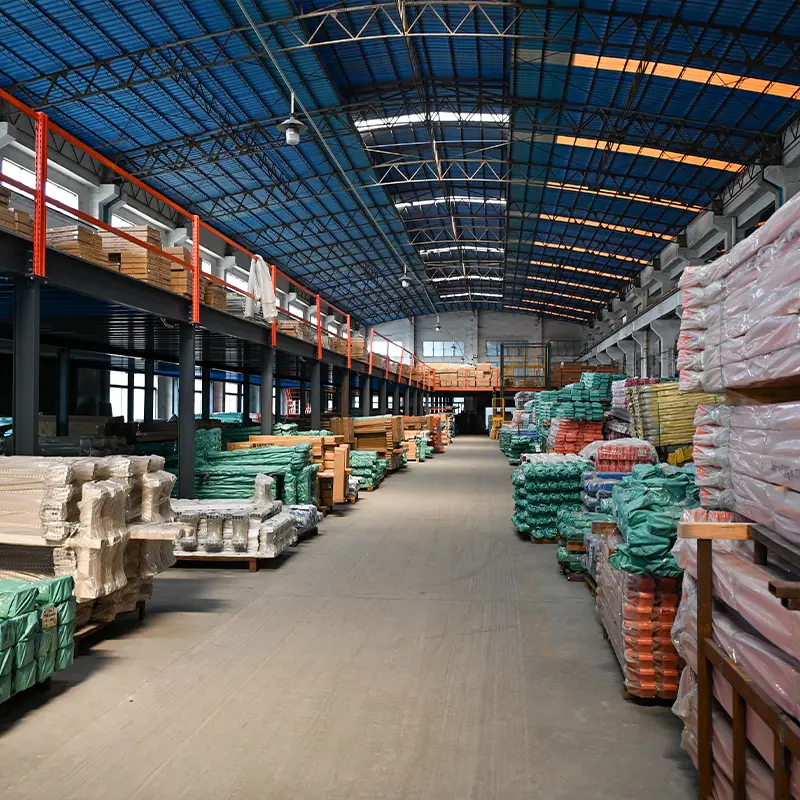
High-Tensile Prime Steel
Direct supply partnerships with tier-1 mills (Baosteel/Ansteel) guaranteeing chemically certified Q235B and Q355B coil with full traceability and standardized tensile reports.
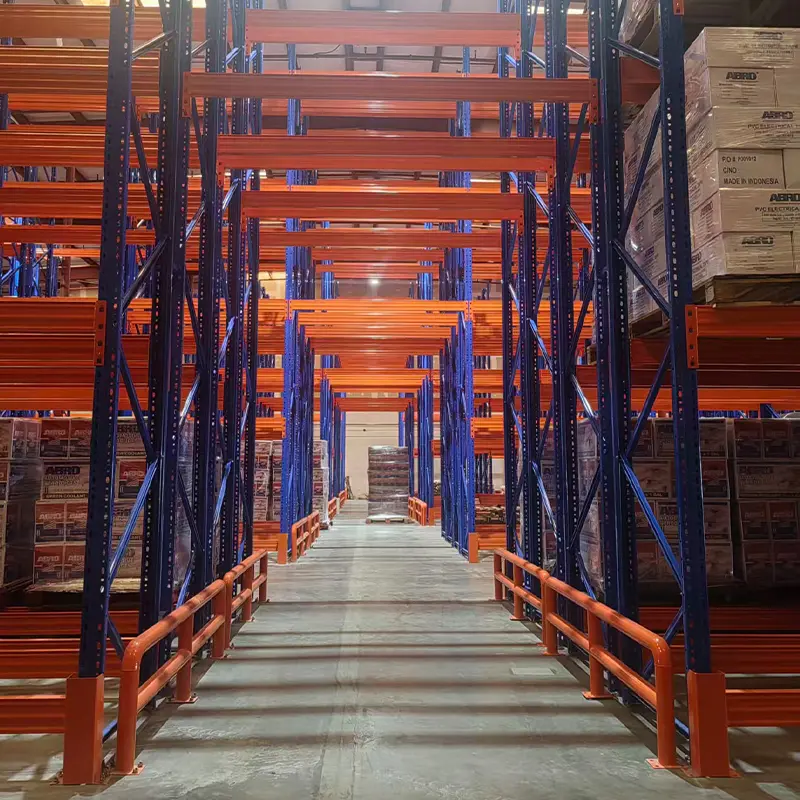
Turnkey Global Export Support
Container-optimized bundling, barcode-labeled component identification, complete bilingual installation documentation, and remote or on-site engineering supervision.
10-Stage Rigorous Manufacturing Quality Control
Every beam, upright column, and safety brace manufactured in our Guangzhou factory passes through 10 strictly audited production stages, guaranteeing tight tolerances and world-class finish longevity:
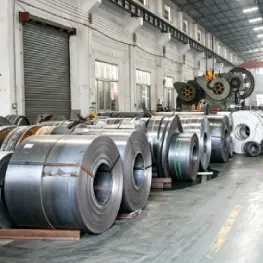
Raw Materials Inspection
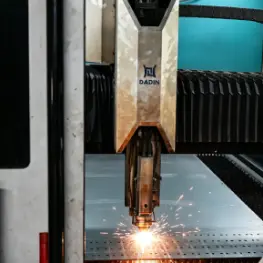
Precision Steel Slitting
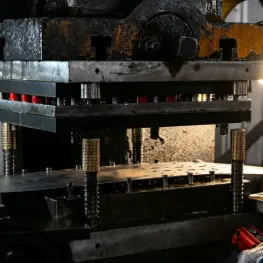
Automated CNC Punching
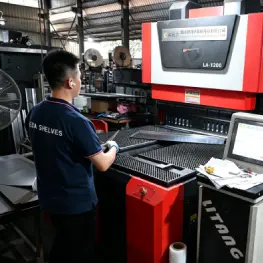
Continuous Roll Forming
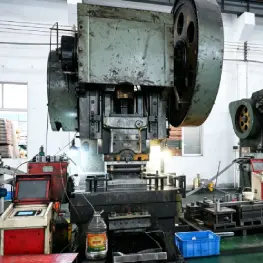
Profile Cold Seaming
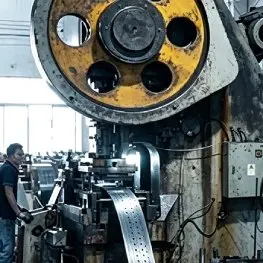
Automated Polishing
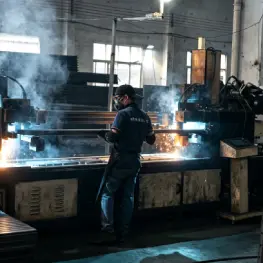
Robotic CO2 Welding
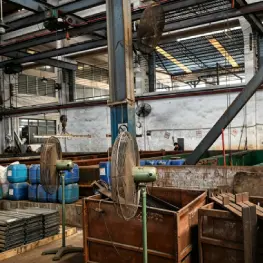
Pickling & Phosphating
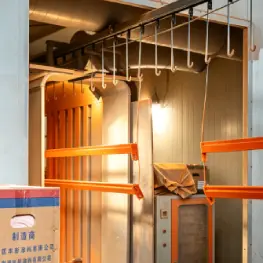
Electrostatic Coating
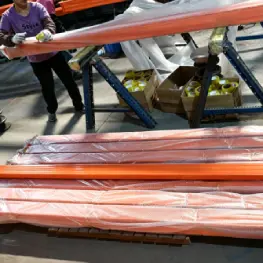
QC & Ocean Bundling


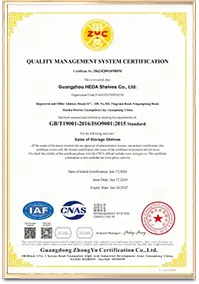
Frequently Asked Technical & Procurement Questions
Clear, engineer-formulated responses regarding structural load calculations, slab requirements, seismic factors, and international export logistics.
Under EN 15512 and FEM 10.2.02 codes, maximum allowable vertical deflection of a pallet rack beam subjected to safe working uniformly distributed loads (UDL) must not exceed 1/200th of the clear beam span (Deflection ≤ L/200). For example, a standard 2700 mm beam carrying two 1,000 kg pallets has a maximum permissible deflection of 13.5 mm. Our structural engineering team validates all beam profiles to ensure deflection remains well below this threshold.
Yes. We regularly engineer and export racking to high-seismic zones across Central America, South America, and the Pacific Basin. We utilize specific Ground Acceleration parameters (Ss, S1) and Importance Factors according to local codes or RMI MH16.1. We configure enlarged footprint baseplates (up to 8mm thickness), increase diagonal bracing gauge, and specify high-embedment anchor studs to absorb dynamic lateral shear forces without structural collapse.
A typical heavy-duty selective rack installation requires a reinforced concrete slab with a minimum compressive strength class of C20/25 (or 3,000 to 4,000 PSI) and a thickness of at least 150 mm to 200 mm. The floor must meet DIN 18202 flatness classifications to prevent rack inclination at top beam levels. During technical review, our engineers analyze your core slab drill test reports and point load capacities prior to finalizing baseplate bolt spacing.
For standard indoor distribution centers, our 10-stage immersion pickling, phosphating, and electrostatically applied epoxy-polyester powder coating (60-80 microns thickness) provides superior corrosion and abrasion resistance. For cold storage facilities operating down to -30°C, high-humidity tropical coastal warehouses, or chemical storage facilities, we supply fully hot-dip galvanized upright frames, beams, and wire mesh decking (ASTM A123 compliant).
To deliver an optimized, millimeter-accurate layout proposal, our engineering team requires: (1) Warehouse architectural drawings detailing clear building height, column grids, and doors; (2) Pallet dimensions (width × depth × height) including pallet overhang and gross weight; (3) Forklift model, minimum aisle turning radius (Ast), and maximum mast lift reach; and (4) Throughput requirements and any specific local fire sprinkler pipe clearance mandates.
We employ strict export-grade packing standards. Uprights are bundled in nested packs with shock-absorbing timber spacers and steel banding; beams are banded with protective corrugated edging and protective plastic wrapping to eliminate surface friction. Every container is pre-calculated using 3D container stuffing software to maximize freight utilization, with complete itemized packing lists and marked bundle tags to streamline destination customs clearance.
Plan Your Warehouse Storage Layout with HEDA Structural Engineers
Whether you require standard 100% selective pallet racking, heavy-duty industrial shelving, or an engineered multi-tier mezzanine platform, our engineering department provides complimentary CAD layout drawings, 3D renderings, and precise load calculation reports within 24 hours.