Precision Industrial Storage & Heavy-Duty Racking Systems
Direct from manufacturing lines: engineered selective, dynamic push-back, automated radio shuttle, and specialized cold storage systems calculated to RMI, FEM 10.2.02, and EN 15512 specifications.
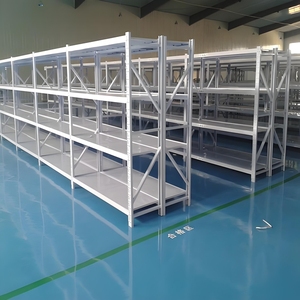
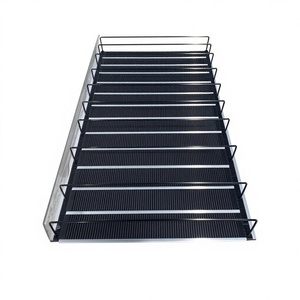
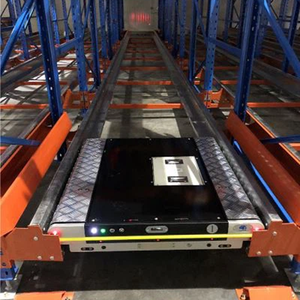
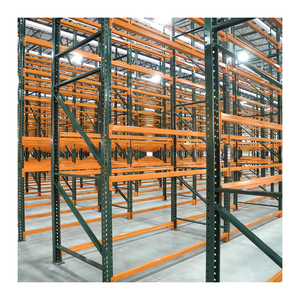
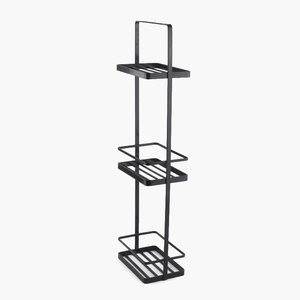
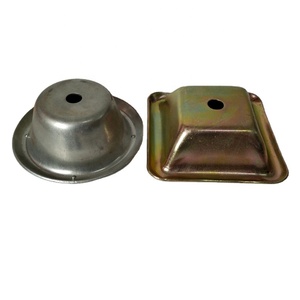
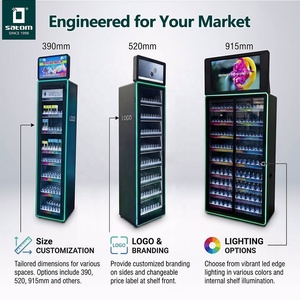
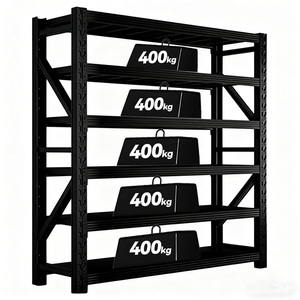
Turnkey OEM/ODM Racking Architecture & Certified Manufacturing
From custom profile stamping to robotic welding lines and automated 10-stage powder coating systems, our industrial facilities provide end-to-end structural reliability for high-bay and heavy logistics distribution centers.
International Certified Compliance
Our manufacturing facility operates under strict global compliance mandates, holding verified certifications: CE Certificate No. 2435-CPR-8605159, ISO 9001:2015 Registration No. 18624Q00169R0M (valid through June 2027), and full RoHS conformity. Structural calculations align precisely with EN 15512, RMI, and FEM standards.
- Full traceability across certified Q235B and Q355B coil stock
- Independent yield strength, shear, and tension load deflection audits
- Third-party destructive structural testing verifications
Precision Tailored OEM/ODM Engineering
With 300+ technical experts, civil draftsmen, and structural mechanics, we accommodate complex building dimensions, unlevel flooring, mezzanine load transfers, and specific handling equipment dynamics. We generate end-to-end parametric 3D CAD layouts, ANSYS finite element analyses (FEA), and seismic response spectrum simulations.
- Custom punched pitch configurations (50mm, 75mm, 76.2mm teardrop)
- Cold-rolled omega profile uprights for optimized moment of inertia
- Interlocking beam connector safety lock designs eliminating dislodgment
Severe Climate & Anti-Corrosive Coatings
Warehouses situated in tropical, coastal, or humid regions face severe structural oxidation risks. Our metal processing line integrates an industrial 10-stage preparation protocol: automated pickling, phosphating, pure water rinse, and electrostatic powder curing at 200°C for a durable, chemically bonded epoxy barrier.
- Salt-spray test resistance validated beyond 500 hours
- Hot-dip galvanizing options complying with ISO 1461 for cold storage
- Anti-scratch UV-stabilized exterior coatings for high-cycle picking environments
10-Stage Precision Production Process
Every ton of structural steel follows a strictly monitored chain of custody from mill delivery to sea-worthy containerization.
Warehouse Storage Systems: Future Trends & Sourcing Trajectory
As global supply chains navigate labor shortages, rising land values, and heightened carbon constraints, procurement directors are fundamentally re-evaluating capital expenditure (CapEx) metrics in warehouse intralogistics.
Automated Shuttle & AS/RS Hybrid Racking
The industry is rapidly shifting away from static, forklift-dependent floor configurations toward high-density semi-automated radio shuttle and crane-based Automated Storage and Retrieval Systems (AS/RS). Modern high-bay warehouses demand vertical clearance utilization exceeding 18 to 30 meters.
Procuring racking tailored for radio shuttles reduces aisle clearance requirements from standard 3.2m down to negligible transfer margins, unlocking up to 80% more storage volume in the same building footprint while curtailing fleet equipment collision risks.
Multi-Tier Mezzanine & Pick Towers
Surging omnichannel retail and micro-fulfillment models require granular, high-throughput item sorting. Instead of taking on escalating real estate leasing fees, operators are opting for rack-supported multi-tier mezzanine floors and high-throughput carton flow pick towers.
By stacking 2 to 4 levels of structural walkways directly on standard upright profiles, operations double or triple usable floor surface areas for manual fulfillment, batch replenishment, and assembly operations without pouring new concrete slabs.
Cold Chain Sustainability & Energy Densification
Energy overhead in refrigerated logistics, pharmaceuticals, and fresh produce export facilities is an escalating operational burden. Refrigerating dead aisle space carries high ongoing utility costs. High-density dynamic push-back and deep-lane gravity flow systems minimize refrigerated volume per stored pallet.
Future-proof procurement strategies prioritize structural designs rated for continuous sub-zero operation (down to -30°C), utilizing specialized low-temperature impact-resistant steel alloys and corrosion-resistant finishes to preserve structural integrity.
Frequently Asked Technical Questions (FAQ)
Engineering parameters, export terms, seismic design criteria, and installation methodologies answered by our technical specialists.
We perform comprehensive dynamic structural response spectrum calculations conforming to EN 16681, FEM 10.2.08, or local building parameters (such as the Pacific Ring of Fire criteria). Depending on your facility's soil classification and ground acceleration coefficients (Ss, S1), our engineers specify wider column depths, thicker gauge steels (up to 2.5mm or 3.0mm), oversized floor baseplates with twin anchor sleeves, and cross-bay portal bracing towers.
To deliver a load-certified CAD schematic and itemized export quote, we require: (1) Architectural building layout drawings indicating column spacing, clear height under trusses, building services, and fire exit clearings; (2) Detailed pallet dimensions including width, depth, height, and maximum gross weight including overhang; (3) Materials handling fleet specifications, specifically mast reach height and turning radius (Aisle Width - Ast); (4) Desired rotation protocol (FIFO vs. LIFO).
International container freight transitions across multiple maritime microclimates, where humidity and condensation ("container rain") are common risks. All upright components, beams, and horizontal brace bundles are treated with industrial rust-inhibitive phosphating, tightly wrapped in multi-layered heavy-gauge polyethylene moisture films, and interleaved with custom corrugated spacers. Fasteners, baseplates, and hardware ship packed in desiccated, heat-sealed steel crates.
Yes. We specialize in precision OEM/ODM metal engineering. If your operation relies on legacy European, American Teardrop, or proprietary Australian slot patterns, our technical facility can fabricate matched punching dies, roll-forming profiles, and beam connectors. This guarantees pitch parity, load consistency, and drop-pin alignment with your existing structures, allowing for straightforward expansion without having to retire active racking lines.
When installed in accordance with our certified engineering drawings and operated within specified static working loads (Uniformly Distributed Loads - UDL), our pallet racking systems offer an engineered operational lifespan exceeding 15 to 20 years. We supply formal structural quality warranties, material mill test certificates (MTC), and provide load capacity warning plaques with every installation.
Accelerate Your Storage Capacity with Factory-Direct Engineering
Submit your warehouse drawings and pallet specifications. Our senior project engineers will supply a comprehensive 3D CAD proposal, load capacity calculations, and factory-direct CIF/FOB export pricing within 24 hours.