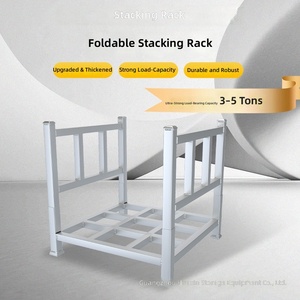
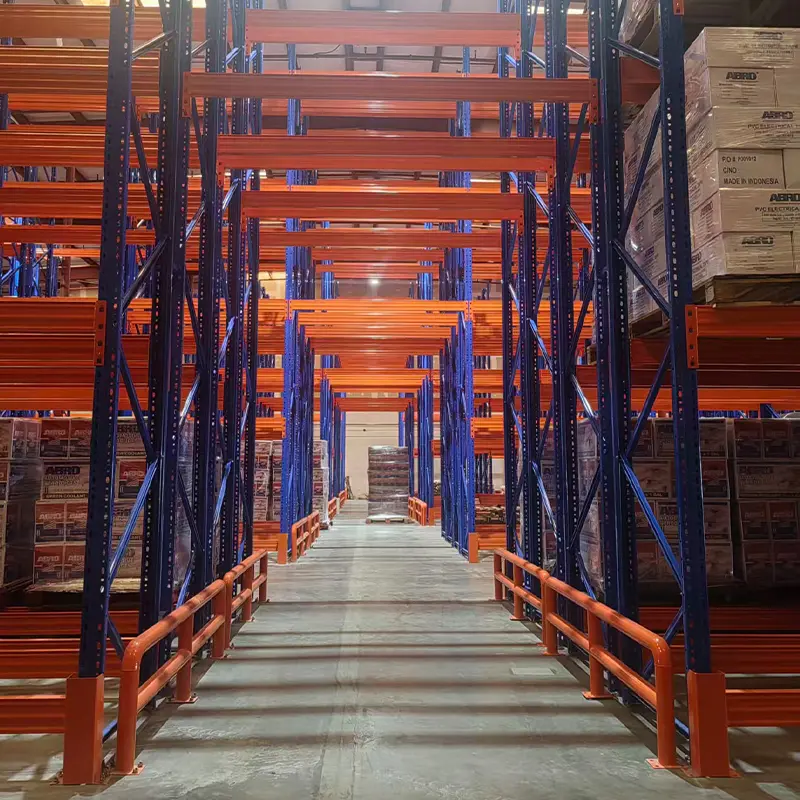
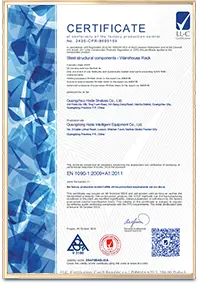
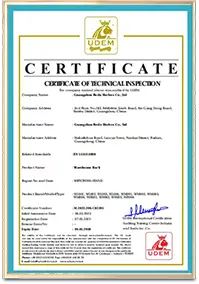
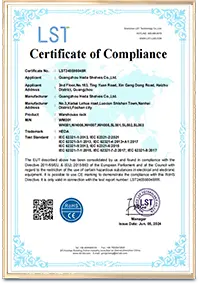
In high-bay industrial distribution hubs and fulfillment facilities, specifying bulk rack shelving units goes far beyond comparing nominal steel sheet thickness. Under international standards such as RMI (Rack Manufacturers Institute) and European EN 15512, structural engineering must guarantee rigid limit-state capacity under static pallet loads, dynamic fork-truck impact forces, and seismic accelerations.
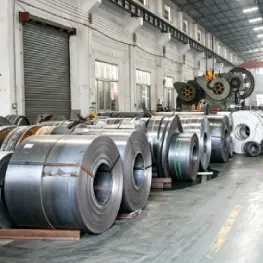
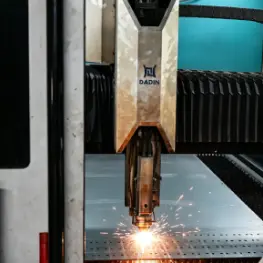
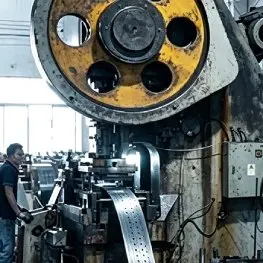
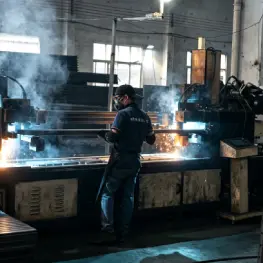
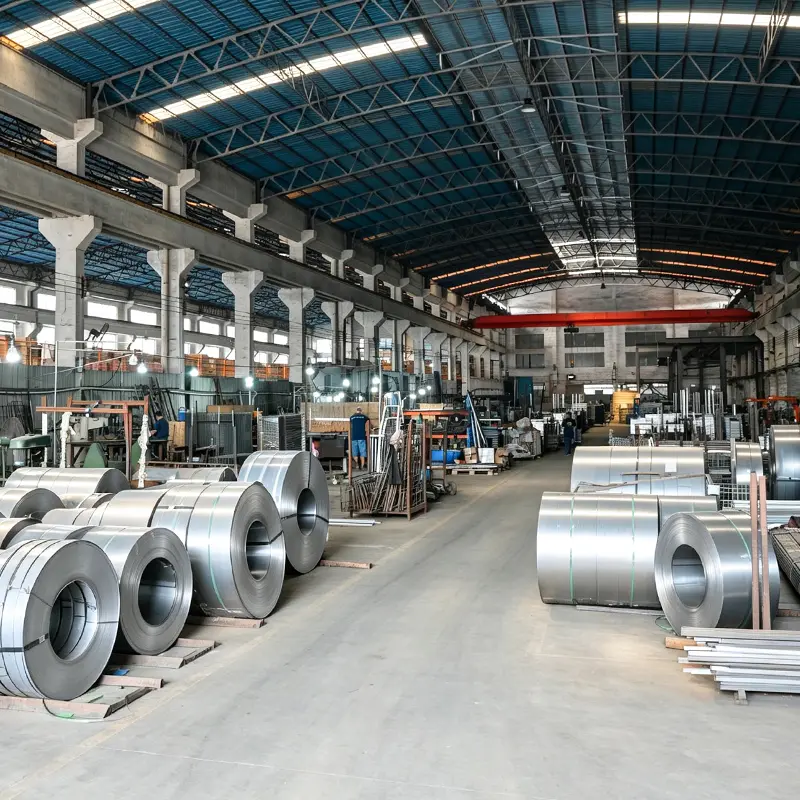
A critical engineering failure in low-quality storage racks is beam deflection beyond the L/200 limit (where beam deflection exceeds 1/200th of the span distance). When substandard raw steel coils or non-continuous weld profiles are used, structural creep sets in, resulting in weld tearing at the connector claw hooks. China's top exporters solve this by utilizing prime certified high-tensile cold-rolled steel coils, combined with finite element analysis (FEA) to calculate localized column buckling, torsion, and punching shear stress at baseplate floor connection anchor points.
| Racking Topology |
Access Ratio |
Storage Volume Density |
Inventory Rotation Rule |
Floor Space Utilization |
Structural Seismic Suitability |
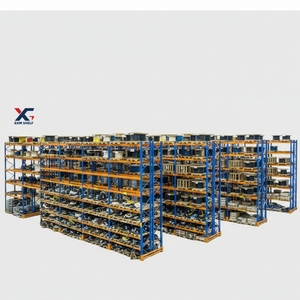
| Selective Pallet Racking |
100% Direct Accessibility |
Moderate (40% - 50%) |
FIFO / LIFO Flexible |
40% Floor Coverage |
Excellent (Flexible bracing layouts) |
| Drive-In / Drive-Through |
Low (Lane-by-lane access) |
High (70% - 85%) |
Strict LIFO (Drive-In) |
Up to 80% Coverage |
Requires heavy top/rear portal ties |
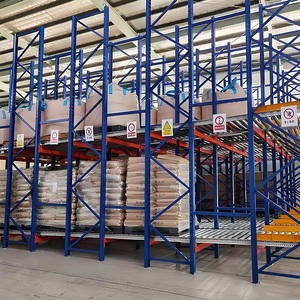
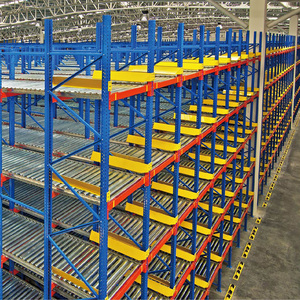
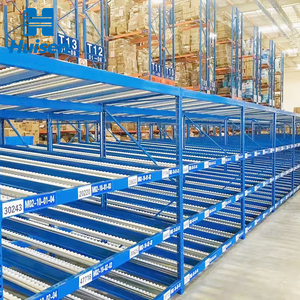
| Gravity Pallet Flow |
High at discharge face |
Very High (75% - 85%) |
Strict Dynamic FIFO |
75% Floor Coverage |
High (Continuous inclined roller beds) |
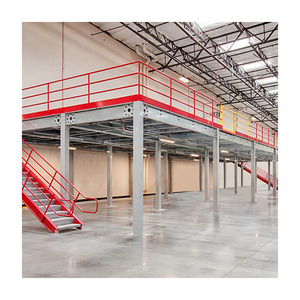
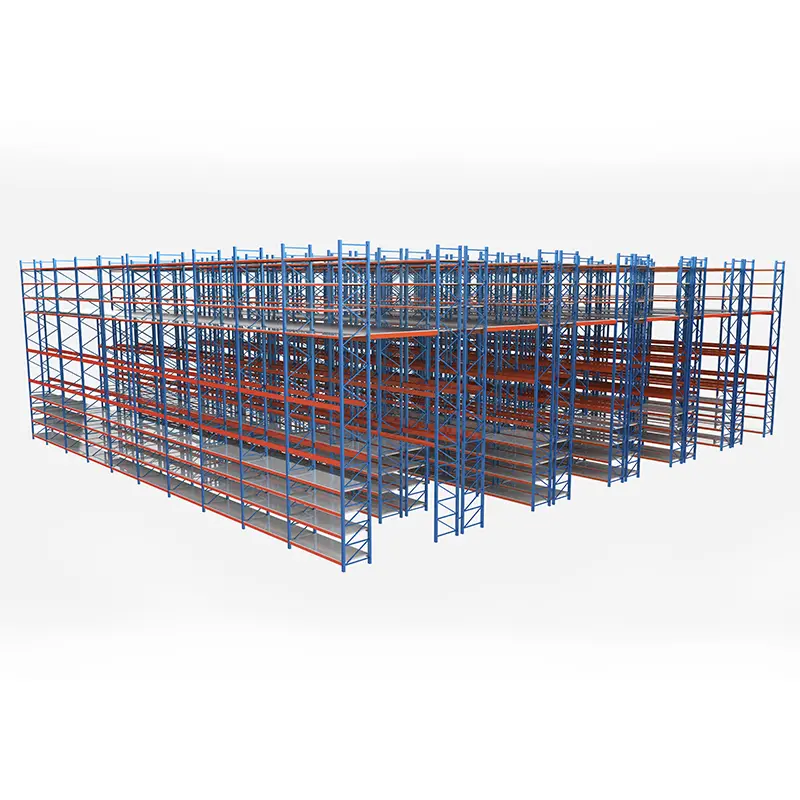
| Rack-Supported Mezzanine |
100% Manual Hand-Pick |
Maximum Vertical Volume |
Batch / Pick-to-Cart |
180% - 250% Effective Area |
Rigid structural column grid calculation |
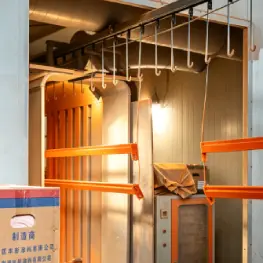
Furthermore, corrosion kinetics dictate shelf life in humid or near-coastal logistics centers. Standard flash coatings degrade rapidly under daily abrasion from wooden pallets and forklifts. HEDA engineering incorporates a rigorous 10-stage surface pretreatment: acid chemical pickling to remove mill scale, zinc phosphate bath conversion to passivate the substrate, and automated electrostatic polyester-epoxy powder curing at 180°C–200°C. For sub-zero cold room blast freezers or corrosive chemical environments, hot-dip galvanization conforming to ASTM A123 is applied to eliminate sub-film oxidation and premature structural fatigue.
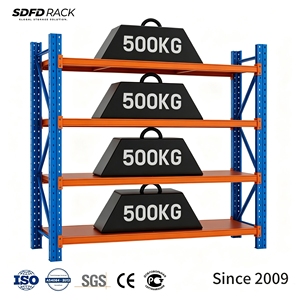
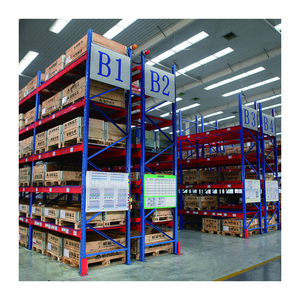 Heavy Duty 2000kg