Engineered Industrial Storage Systems
Explore heavy-duty load architectures, precision roll-formed components, and flexible warehousing systems configured for modern supply chains.
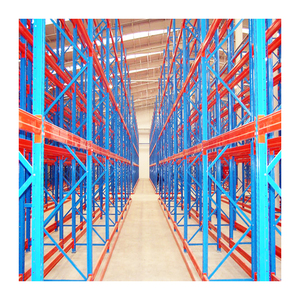
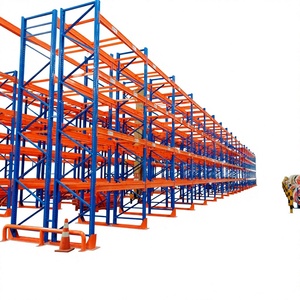
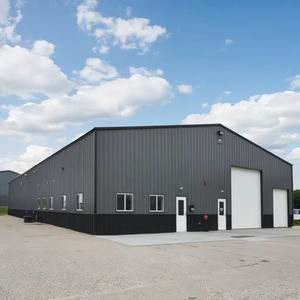
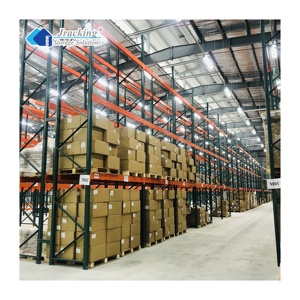
Strategic Engineering: The Pallet Storage Architecture White Paper
A comprehensive examination of structural mechanics, metallurgy, seismic resilience, and total cost of ownership (TCO) in modern high-density warehouse storage systems.
In high-throughput intralogistics ecosystems, industrial racking systems serve as the structural backbone of physical supply chains. Sourcing industrial storage racks from top-tier Chinese manufacturers is no longer merely a low-cost procurement decision; it is a long-term strategic engineering partnership. Modern distribution centers, multi-temperature cold chains, and cross-docking facilities demand structural systems that ensure static structural equilibrium, continuous material flow, and dynamic adaptability under severe seismic and environmental stress.
The engineering validation of heavy-duty pallet racks begins with finite element analysis (FEA) and strict adherence to international building specifications, notably RMI (Rack Manufacturers Institute) ANSI MH16.1 and European Standard EN 15512. Uprights roll-formed from premium certified Q235B and high-strength Q355B structural steel coils undergo continuous CNC multi-stage cold profile forming. This metallurgical precision ensures uniform yield strength throughout column sections, optimizing structural weight while exceeding critical buckling and torsional resistance standards.
Surface finishing is equally critical to structural longevity, particularly in challenging tropical, high-humidity, and marine port distribution environments. As demonstrated in advanced manufacturing workflows, certified components undergo a meticulous multi-phase chemical treatment: automatic abrasive degreasing, multi-stage acid pickling, zinc phosphate conversion coating, and automated electrostatic powder curing at temperatures exceeding 180°C. This industrial process creates a cross-linked polymer barrier that exceeds 500-hour salt spray benchmarks, shielding dynamic racking components, uprights, and boxed step beams against micro-fissure corrosion and chemical abrasion.
Why Partner With HEDA: Direct Manufacturer Advantages
With quarter of a century in engineering innovation, Guangzhou Heda Shelves Co., Ltd. delivers direct factory integration from raw steel coil to on-site commissioning.
25+ Years Racking Engineering
Operating since 2001, our facility has delivered over 10,000 completed installation projects across 120+ countries, integrating proprietary design intelligence with structural stability standards.
30,000 m² Facility & High Capacity
Equipped with automated continuous roll-forming lines, robotic CNC beam welding, and electrostatic powder coating chambers capable of manufacturing up to 30,000 tons of structural steel components per month.
CE & ISO 9001:2015 Certifications
Full compliance with international standards, holding CE Certificate No. 2435-CPR-8605159, ISO 9001:2015 quality assurance registration (No. 18624Q00169R0M), and comprehensive RoHS environmental compliance.
Complimentary 3D CAD & FEA Design
Our dedicated structural engineering team provides custom 2D layout drafting, full 3D spatial modeling, and structural load calculations tailored to floor slab tolerances and forklift mast specifications.
Seismic & Micro-Climate Engineering
Structural components engineered specifically for active seismic zones (such as the Pacific Ring of Fire) and hot, humid tropical marine micro-climates through custom structural base plates and specialized hot-dip galvanized finishes.
End-to-End Export Logistics
From factory bundling and customized container cube optimization to port-ready CIF deliveries across global shipping lines (including Puerto Quetzal, Colón, Acajutla, and Puerto Cortés) with complete assembly schematics.
The Future of Pallet Racking: Strategic Procurement & Technological Trends
Anticipate architectural shifts, automated handling convergence, and sustainability requirements dominating the 2026–2030 industrial warehousing roadmap.
1. Convergence of Structural Racking and Semi-Automated Intralogistics
The traditional boundary between passive steel storage racks and mechanized material transport is rapidly disappearing. Modern procurement frameworks prioritize racking profiles engineered for autonomous robotic shuttles, Radio Shuttle systems, and automated guided vehicles (AGVs). By deploying dense multi-tier lane structures that eliminate internal forklift lanes, logistics operators achieve up to an 80% increase in cubic storage capacity while radically mitigating structural impacts and mast-related upright collisions.
2. Seismic-Aware Structural Resilience & Slab Deflection Modeling
Global supply chain stakeholders are increasingly consolidating operations into super-regional fulfillment centers located along coastal belts and active seismic zones. As clear building heights exceed 12 to 18 meters, procurement specifications mandate advanced finite element dynamic modeling. Upright sections, column-to-base plate weldments, bracing lattice geometries, and mechanical wedge anchors must be calculated alongside sub-base concrete compressive and tensile deflection characteristics.
3. Circular Metallurgy and Low-Carbon Life Cycle Assessments
Corporate ESG (Environmental, Social, and Governance) commitments are actively reshaping procurement scorecards. Tier-1 buyers increasingly evaluate the embedded carbon footprint of cold-rolled steel coils, closed-loop water treatment in chemical pretreatment baths, and the utilization of low-VOC, heavy-metal-free thermosetting powder coatings. Modularity has become an economic imperative: bolted structural mezzanines and interchangeable teardrop and adjustable beam connectors allow complete facility reconfiguration, relocatability, and lifecycle asset recovery without scrap depreciation.
Frequently Asked Questions: Global Industrial Pallet Racking Procurement
Direct technical answers addressing structural calculations, coating choices, export shipping safety, and seismic standards for procurement directors.
Q: How do you ensure structural integrity for earthquakes and heavy loads?
Our structural engineers calculate upright column profiles, horizontal/diagonal bracing patterns, and heavy-duty seismic footplates based on your specific geographical peak ground acceleration (PGA), building code standards, and concrete slab thickness. All engineering designs strictly comply with CE, ISO, and RMI load safety margins.
Q: What is the optimal surface treatment for cold storage and high-humidity facilities?
While our automated electrostatic powder coating (with phosphating pre-treatment) provides exceptional durability for standard ambient warehouses, we engineer hot-dip galvanized (HDG) steel components for low-temperature cold rooms, sub-zero blast freezers, and coastal facilities with high ambient moisture and salt air exposure.
Q: What core parameters are required for a free custom CAD layout proposal?
To deliver an optimized CAD design, 3D rendering, and quotation, our engineers require: (1) Warehouse clear height and architectural drawing with column grid locations, (2) Pallet dimensions including overhang and maximum load weight, (3) Forklift turning radius and lifting height, and (4) Throughput rules (FIFO vs. LIFO).
Q: How are oversized steel racking components secured for ocean container freight?
Uprights and beams are bundled in custom heavy-duty steel bands with protective corner boards, edge wraps, and wooden runners. Small structural hardware, base plates, and safety drop pins are crated in labeled wooden boxes, accompanied by an itemized container loading manifest to simplify customs inspection and field installation.
Q: Do you provide installation guidance and technical supervision abroad?
Yes. Every consignment is accompanied by comprehensive 3D component installation manuals and detailed 2D architectural assembly schematics. For large distribution centers and complex multi-tier mezzanine installations, our senior engineering supervisors can be deployed on-site or provide remote technical video assistance.
Q: How do Radio Shuttle and Drive-In systems compare in throughput efficiency?
While both systems maximize cubic volume by eliminating service aisles, Radio Shuttle systems utilize remote-controlled electric carriers inside lanes, reducing forklift cycle times and driver damage risk. Drive-In racking requires forklifts to physically enter the rack bays, making it cost-effective for lower-turnover, single-SKU bulk inventory.
Accelerate Your Warehouse Capacity With Direct Engineering Support
Connect directly with our senior structural engineers to receive a complimentary custom 2D/3D warehouse layout, detailed load capacity calculations, and an itemized factory direct proposal within 24 hours.
Send an Inquiry