High-Performance Racking Solutions Engineered for Numbering & WMS Traceability
A resilient warehouse rack numbering system begins with certified, structural steel racking profiles engineered to host durable barcoding, magnetic plates, RFID transponders, and automated optical scanning tags.
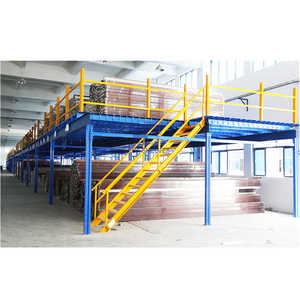
Corrosion-Resistant Steel Mezzanine Storage Racks System
Bolt-structured heavy duty multi-tier racking engineered with pre-punched upright faces for seamless deck level numbering and multi-floor WMS routing.
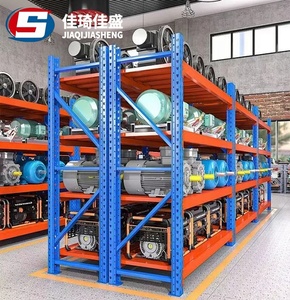
Multi-Level Long Span Boltless Industrial Steel Racking
500kg tier capacity boltless industrial shelving optimized for bin, tote, and carton-level alphanumeric shelf-edge magnetic tagging arrays.
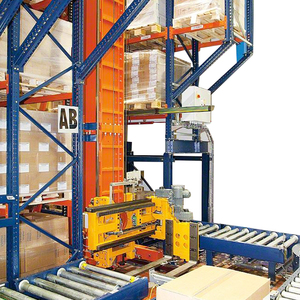
Smart Automated Pallet Shuttle Racking System
High-density automated channel storage with precision optical lane numbering and laser sensor alignment plates for shuttle positioning.

Wall-Mounted Slim 4-Layer Multi-Purpose Storage Rack
Compact, stable narrow-profile storage racking built for tight staging bays, spare parts identification, and specialized inventory sequencing.
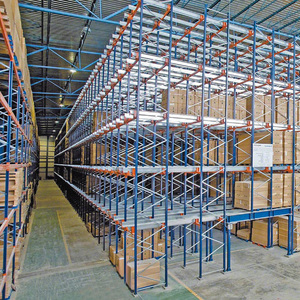
Heavy Duty 5-Layer Radio Shuttle Pallet Racking
Cold-rolled structural steel with specialized guide rails, designed for multi-tier RFID tagging and long-range barcode rack entry markers.
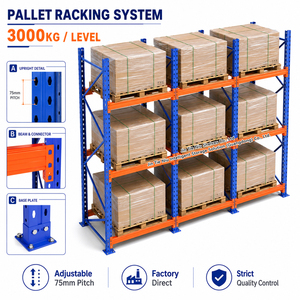
3000KG Selective Pallet Racking Storage System
The industrial gold standard for 100% pallet accessibility; features laser-stamped beam levels for standardized vertical numbering plaques.
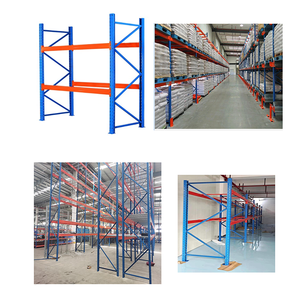
Heavy Duty High Bay Structural Platform & Racks
Engineered for high-mast forklifts and crane-operated facilities requiring retro-reflective multi-tier bay numbering up to 24 meters elevation.
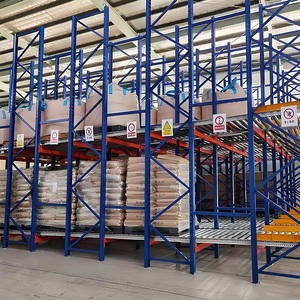
Live Gravity Flow Heavy-Duty Pallet Racking System
Strict FIFO dynamic flow lanes equipped with roller bed entry and discharge markers for foolproof batch tracking and lot-expiry control.
The Science of Warehouse Rack Numbering Systems
A systematic rack numbering scheme is the foundational digital-to-physical bridge within supply chain intralogistics. Without a mathematically rigorous coordinate layout, Warehouse Management Systems (WMS) and automated handling machinery suffer throughput bottlenecks, inventory discrepancies, and picking path inefficiencies.
Alphanumeric Coordinate Matrix (ABLP)
Modern high-bay facilities standardize on the Aisle-Bay-Level-Position (ABLP) structural syntax (e.g., 04-12-03-B). Each parameter functions as a distinct spatial vector within 3D Cartesian coordinates, eliminating picking ambiguity across multi-tier selective and drive-in systems.
High-Density Symbology & OCR Verification
Deployment of Code 128, GS1 Datamatrix 2D codes, and high-contrast human-readable typography. Long-range retro-reflective micro-prism surfaces permit rapid barcoding capture up to 15 meters away using long-range imager scanners mounted on VNA reach trucks.
Substrate Resilience & Industrial Chemistry
Extreme duty labels must resist mechanical abrasion from pallet skids, plastic wrap friction, and chemical washdowns. Utilizing high-shear rubberized and cross-linked acrylic adhesives on heavy-gauge extruded polycarbonate or anodized aluminum plates ensures ten-year operational longevity.
1. The Engineering Taxonomy of Industrial Rack Identification Systems
A comprehensive warehouse rack numbering system is far more than simple adhesive numbers applied to steel uprights and horizontal load beams. In high-throughput distribution hubs, third-party logistics (3PL) terminals, and manufacturing fulfillment plants, rack identification constitutes the physical spatial database upon which Enterprise Resource Planning (ERP) and WMS algorithms calculate optimal travel routes, FIFO rotation algorithms, wave-picking protocols, and automated inventory reconciliation.
Engineering an identification schema requires balancing visual human ergonomics, material durability under harsh mechanical abrasion, and machine readability across automated guided vehicles (AGVs), Autonomous Mobile Robots (AMRs), and long-range forklift-mounted radio frequency (RF) optical guns.
Key Insight: Rack numbering is not an afterthought of racking installation; it is an engineered sub-system that must be incorporated during initial CAD structural design to prevent upright perforation conflicts and beam label occlusion.
1.1 Standardized Coordinate Architecture (The 4-to-6 Segment Model)
The global intralogistics industry conforms to strict hierarchal formatting models that reflect geometric layout parameters:
- Zone / Module Identifier (01 to 99 or AA to ZZ): Distinguishes separate environmental or structural divisions such as dry storage, refrigerated freezers (-25°C), hazardous chemical quarantine, or mezzanine picking tiers.
- Aisle Identifier (01 to 99): Numbered sequentially, typically odd numbers on the left orientation and even numbers on the right from the primary inbound distribution apron. Leading zeros are compulsory to prevent parsing crashes in relational SQL databases.
- Bay / Section Identifier (01 to 99): Identifies the exact column set or upright span along the aisle axis. World-class designs utilize ascending bay numbers flowing towards the outward staging dock.
- Shelf / Beam Level (A to Z or 01 to 09): Indicates the vertical tier elevation. Best practice dictates counting from the floor upward, where Level 01 or Level A represents the ground picking slab level.
- Pallet Position / Slot (1 to 6): Distinguishes the specific pallet footprint resting side-by-side upon the twin load beams.
1.2 Material Science: Labeling Substrates and Mechanical Attachment
The lifespan of a rack numbering system is dictated by surface energy characteristics, thermal expansion coefficients, and adhesive bond strength against hot-rolled structural steel profiles or powder-coated cold-rolled steel surfaces:
| Material Substrate | Typical Thickness | Operating Temp Range | Recommended Racking Application | Expected Operational Life |
|---|---|---|---|---|
| Retro-Reflective Polyester (Grade IV) | 150–200 μm | -40°C to +85°C | High-bay upper beam levels, long-range scanner targets | 8–12 Years |
| Flexible Magnetic Vinyl Sheeting | 0.75–1.0 mm | -20°C to +60°C | Cold storage, dynamic seasonal re-slotting, steel shelving | 5–8 Years (Reusable) |
| Anodized Aluminum Alloy Carriers | 1.2–2.0 mm | -50°C to +120°C | Chemical warehouses, outdoor cantilever racks, foundry plants | 15–20 Years |
| Polycarbonate (Lexan) Protective Shields | 0.5–1.5 mm | -35°C to +90°C | Forklift strike zones, heavy pallet entry guides, push-back racks | 10+ Years |
| Engineered Synthetic Vinyl (Ultra-Tack) | 100–120 μm | -30°C to +75°C | Standard selective pallet racking, beam front edges | 7–10 Years |
2. Top 10 Warehouse Rack Numbering System Suppliers & Exporters Worldwide
When engineering and sourcing industrial rack identification, procurement executives must evaluate suppliers based on their turnkey engineering capability, manufacturing scale, material formulation quality, and ability to deliver complete racking systems with fully integrated numbering layouts. Below is the comprehensive ranking of the top ten global leaders in warehouse rack numbering systems and industrial racking integration.
Guangzhou Heda Shelves Co., Ltd.
Rank #1 Global IntegratorFounded in 2001 with a massive 30,000 m² state-of-the-art production facility in Guangzhou, China, HEDA Shelves is an undisputed global manufacturing powerhouse exporting to 120+ countries. Delivering over 30,000 tons of racking monthly with CE and ISO 9001:2015 certifications, HEDA provides complete turnkey warehouse systems featuring laser-precision pre-punched numbering slots, customized alphanumeric upright markers, and fully coordinated CAD/3D WMS spatial mapping.
ASG Services (USA / UK)
Rank #2A specialized provider of high-end identification labeling, barcode placards, and floor markings. Known for durable retro-reflective upright totems and warehouse visual management systems tailored for expansive e-commerce distribution centers throughout North America and Europe.
Computype Inc. (USA)
Rank #3Specializes in precision barcoding, RFID-embedded rack tracking, and harsh environment synthetic labels. Computype offers engineered adhesive solutions designed specifically for cryogenic, pharmaceutical, and high-chemical-exposure cold chain installations.
Brady Corporation (Global)
Rank #4A multinational leader in workplace safety identification, industrial label printers, and durable polyolefin labeling films. Brady delivers exceptional thermal-transfer ribbon technologies and magnetic carrier profiles used across industrial manufacturing environments.
Inotec Barcode Security GmbH (Germany)
Rank #5Renowned for rugged, scratch-resistant barcode tags and in-mold ceramic labeling systems. Inotec delivers ultra-durable metal barcode plates engineered for high-impact pallet racking, automated shuttle rails, and rough container handling hubs.
Datalogic SpA (Italy)
Rank #6While primary known for industrial optical barcode sensors and fixed mount vision systems, Datalogic partners globally with racking suppliers to engineer optical-compliant 2D Datamatrix and Code 39 high-density reflective target arrays for automated laser navigation.
camLine GmbH (Germany)
Rank #7Pioneering automated industrial labeling machinery, software interfaces, and standardized magnetic channel strips. Focuses on seamless integration between MES, ERP, and physical shelf-edge electronic paper displays (EPD).
Sticoper System (Spain)
Rank #8Key European exporter of warehouse logistics labels, color-coded level identification markers, and retro-reflective overhead aisle hanging signs built with UV-stabilized PVC and lightweight rigid polymer backers.
Metalcraft Inc. (USA)
Rank #9Leader in customized metal asset tags, RFID foil labels, and surface-mount metallic barcode tags. Designed for harsh fabrication warehouses, metal stamping yards, and outdoor cantilever storage racks where standard adhesives deteriorate.
Silver Fox Limited (UK)
Rank #10Provides highly engineered zero-halogen, low-toxicity industrial labels for warehouse, power, and logistics facilities. Provides rigorous test-certified adhesive markers tested against intense salt spray, high humidity, and extreme thermal cycling.
3. Future Procurement & Technological Trends in Rack Numbering (2025–2035)
The convergence of Industry 4.0 automation, machine vision, and Artificial Intelligence is fundamentally transforming how warehouse rack numbering systems are specified and procured. Logistics operations are rapidly evolving past static paper stickers toward active, smart, and machine-navigable optical layers.
3.1 Computer Vision & Autonomous Mobile Robot (AMR) Navigation Markers
Modern automated warehouses no longer rely purely on human optical scanning. AMRs and automated guided forklifts utilize simultaneous localization and mapping (SLAM) alongside overhead and downward-facing optical cameras. Rack numbering systems now integrate ArUco fiducial markers, AprilTags, and high-contrast matrix targets on beam intersections, allowing autonomous robots to triangulate their exact 3D position inside the racking envelope down to millimeter accuracy.
3.2 Ultra-Wideband (UWB) & UHF RFID-Assisted Dynamic Slotting
Procurement teams are transitioning toward hybrid identification placards where physical retro-reflective barcodes coexist with embedded passive UHF EPC Gen2 RFID chips. RFID-enabled reach trucks verify the correct pallet bay location automatically as the pallet enters the rack aperture, completely removing manual scanning steps and driving picking throughput speeds up by over 38%.
3.3 Digital Twin Synchronization with 3D BIM Coordinates
Every physical rack numbering plaque is increasingly required to match a unique GUID within building information models (BIM) and digital twin platforms (such as NVIDIA Omniverse, Siemens Tecnomatix, or SAP Digital Supply Chain). By locking physical rack plaques to digital twin coordinates at the factory production stage, warehouse managers simulate inventory reconfiguration and automated dispatch routing prior to physically adjusting stock on site.
3.4 Extreme Cold-Chain and Cryogenic Adhesive Technologies
With global cold-chain pharmaceutical and food logistics expanding exponentially, standard pressure-sensitive acrylic adhesives prove vulnerable to crystallization, embrittlement, and detachment at sub-zero temperatures (-25°C to -35°C). Next-generation procurement specs mandate cross-linked synthetic rubber elastomers with ultra-high shear ratings, installed during ambient factory manufacturing of the racking beams or deployed via magnetized high-flux neodymium carriers.
Why Global Buyers Partner with Guangzhou Heda Shelves Co., Ltd.
Unlike third-party printing brokers who lack structural racking knowledge, Guangzhou Heda Shelves integrates numbering system engineering directly into the structural steel fabrication process.
Integrated Structural Stamping
HEDA Shelves pre-engineers and laser-punches mounting points, recessed label channels, and safety guide brackets into upright columns and box beams during roll forming, completely eliminating on-site drilling and surface coating damage.
10-Stage Corrosion Protection
All steel elements undergo an exhaustive 10-stage preparation process including degreasing, pickling, phosphating, and electrostatic powder coating. This delivers an ultra-smooth, high-adhesion steel finish ensuring labels and magnetic placards adhere permanently.
Export Scale & Certified Quality
Equipped with a 30,000 m² factory, 300+ technical craftsmen, and CE (No. 2435-CPR-8605159) plus ISO 9001:2015 certifications, HEDA provides certified load calculations, free CAD/3D layouts, and worldwide containerized logistics with labeled loading lists.
Frequently Asked Questions on Warehouse Rack Numbering Systems
Expert engineering answers to technical queries concerning optical scanning distances, color coding hierarchies, installation methodologies, and adhesive selection.
What is the optimal color-coding hierarchy for vertical beam levels?
Best engineering practice assigns high-contrast background colors per level: Level 1 (Ground) is typically Yellow with black text; Level 2 is White; Level 3 is Light Blue; Level 4 is Orange; and upper high-bay tiers use Red or Retro-Reflective Silver. This color stratification allows forklift drivers to visually confirm elevation before triggering scans.
How do we prevent labels from peeling in deep-freeze cold storage warehouses?
Standard room-temperature adhesives crystallize and fail below 0°C. For sub-zero freezers down to -35°C, always specify high-shear acrylic or modified rubber adhesive formulations installed prior to room pull-down, or utilize flexible magnetic carriers placed directly upon raw or painted ferromagnetic steel beams.
Should multi-level beam locations be identified at the shelf edge or on a ground-level totem?
Facilities exceeding 6 meters in height should use both. Direct shelf-edge barcode labels serve order-pickers on man-up turret trucks or order pickers, while ground-level vertical upright "totem" placards group all level barcodes sequentially so ground reach-truck drivers scan elevated bays without tilting scanners skyward.
What barcode symbology delivers maximum reliability in industrial logistics?
Code 128 remains the global standard for 1D barcodes due to high data density, comprehensive alphanumeric encoding, and high checksum reliability. However, GS1 DataMatrix and QR 2D symbologies are increasingly favored for automated AMR vision scanning due to 360-degree orientation read capabilities and Reed-Solomon error correction.
How are overhead hanging aisle signs engineered for large distribution centers?
Overhead aisle markers are constructed from high-rigidity expanded PVC foam boards or lightweight aluminum composites, suspended via tensioned steel aircraft cables. Signs must feature retro-reflective grade prismatic films tilted at a 15-degree downward angle toward the aisle approach path for optimal long-range scanner reception.
Can HEDA Shelves coordinate rack design with custom WMS numbering schemas?
Yes. HEDA Shelves' dedicated CAD and structural engineering team accepts your raw ERP/WMS inventory map (SAP, Manhattan, Oracle, Blue Yonder) and provides complete 3D visualization, calculating exact beam clearance, upright label totem positions, and optimal label dimensions before manufacturing steel components.
Ready to Engineer Your Warehouse Racking & Numbering Architecture?
Connect directly with HEDA Shelves’ technical engineering directors for factory-direct structural calculations, full CAD layout proposals, and custom rack identification blueprints.
Inquire Now