High-Performance Push Back Racking Systems & Components
Explore our export-grade push back racking models, heavy-duty nested carriage systems, outdoor galvanized units, and dynamic gravity push kits designed according to FEM 10.2.02 and RMI specifications.
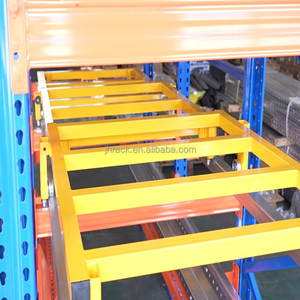
Wholesale Low Price Push Back Heavy Duty Shelving Warehouse Storage Shelf Rack System
- 2-6 Pallets Deep
- 1500kg / Pallet
- Q235B Cold Steel
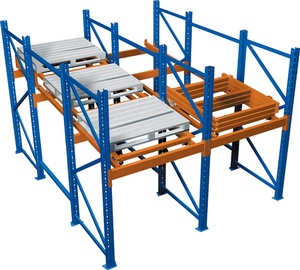
URGO Intensive Push Back Racking Heavy Duty Pallet Dynamic System
- Nested Cart Trolley
- High Throughput
- Epoxy Coated
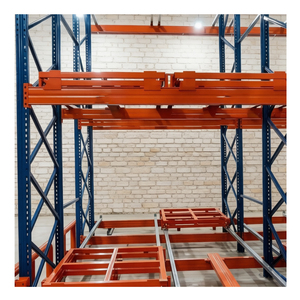
DJ High Density Dynamic Pallet Rack Warehouse Storage Racking Solution
- 3-5 Pallet Depth
- Precision Bearings
- LIFO Rotation
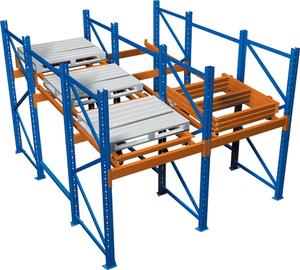
Warehouse Storage Steel Push Back Racks 3-Layer Outdoor Corrosion Proof
- Galvanized Options
- Outdoor Grade
- Custom Elevation
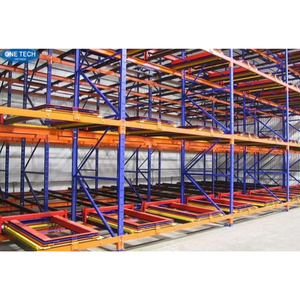
One Tech Push Back Racking Heavy Duty Screw Assembly Electrostatic Coating
- Modular Railing
- Anti-Rust Finish
- AS4084 Compliant
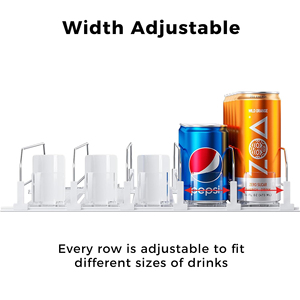
Gravity Roller Shelf Pusher Spring Loaded Auto Track Cooler Organizer
- Cold Room Ready
- Spring Retraction
- Retail / Beverage
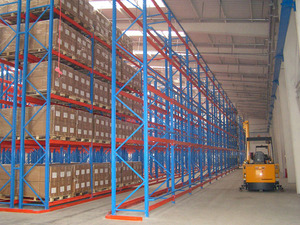
Galvanized Heavy Duty 3-Layer Push-Back Pallet Racking Shelves
- Low Friction Rollers
- Zinc Plating
- Cold Storage LIFO
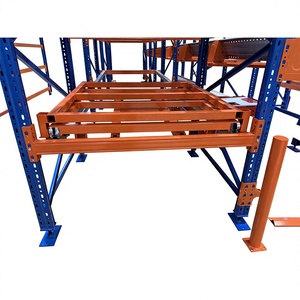
Industrial Warehouse Push Back LIFO Heavy Pallet Storage Structural System
- Up to 2500kg/lane
- Safety End Stops
- Direct Factory Price
Engineering Principles & Mechanics of Push Back Racking
A comprehensive engineering guide into nested nested-cart kinematics, inclined gravity dynamics, and structural steel performance under heavy cyclic industrial loading.
1. Kinematics of Nested Carriage Systems vs Continuous Roller Flow
Push back racking represents one of the most mechanically elegant solutions in modern intralogistics for resolving the inherent conflict between floor footprint optimization and SKU selectivity. Unlike drive-in systems where lift trucks must enter deep cantilevered tunnels, push back racking utilizes inclined structural steel guide channels (typically pitched at an engineered grade of 2.5% to 3.5% depending on pallet weight and friction coefficients) carrying a sequence of nested rolling carts.
When the first pallet is deposited via standard counterbalance or reach truck, it rests securely upon the topmost nested cart (Cart A). When a subsequent pallet is introduced, the forklift operator aligns the incoming unit load against the first pallet, applying gentle horizontal forward thrust. This pushes Cart A backward along the low-friction channel profile, exposing nested Cart B beneath it. In a 4-deep push back configuration, this mechanical sequence repeats until four unit loads occupy a single storage lane. The final pallet rests directly onto the structural load beams.
During pallet retrieval, gravity gently propels the remaining rear carts forward toward the loading face at a governed velocity. China top manufacturers like Guangzhou Heda Shelves Co., Ltd. integrate calibrated mechanical impact dampeners, anti-lift safety flanges, and heavy-duty sealed roller bearings lubricated with low-temperature synthetic grease to prevent binding, runaway acceleration, or lane jam during high-cycle retrieval.
Low-Clearance Nested Architecture
Engineered nesting allows up to 6 carts to nest within less than 150mm of vertical beam space, preserving precious warehouse vertical headroom and optimizing cubic storage utilization.
High-Tensile Cold Formed Steel
Constructed using prime Q235B and Q355B cold-rolled structural steel, certified for high yield strength, dynamic resilience, and zero deformation under shock loading.
Built-in Fail-Safe Stops
Every lane features integrated physical end-stoppers and wheel catchers that arrest forward pallet momentum safely at the picking face, eliminating rack run-offs.
2. Comparative Intralogistics Engineering: Push Back vs Alternative High-Density Systems
Warehouse logistics engineers frequently evaluate Push Back Racking against Selective, Drive-In, Radio Shuttle, and Gravity Pallet Flow racking. Push back systems offer superior throughput compared to Drive-In racks because forklift trucks do not negotiate narrow internal lanes, substantially lowering equipment damage rates and cycle times by up to 40%.
| Racking Topology | Access Methodology | Storage Density Index | SKU Selectivity Level | Forklift Collision Risk | Estimated Capex / Pallet |
|---|---|---|---|---|---|
| Push Back Racking (HEDA) | LIFO (Last-In, First-Out) | High (75% - 85%) | Medium (Each Lane Distinct SKU) | Low (Forklift never enters rack) | Moderate ($80 - $130) |
| Selective Pallet Rack | FIFO or LIFO | Low (40% - 50%) | High (100% Direct Access) | Low | Low ($45 - $75) |
| Drive-In Pallet Rack | Strict LIFO | Very High (80% - 90%) | Very Low (Single SKU per Bay) | High (Operator drives inside) | Low-Moderate ($65 - $95) |
| Gravity Pallet Flow | Strict FIFO | Very High (85% - 92%) | Medium (Per Lane) | Low | High ($160 - $260) |
| Semi-Automated Radio Shuttle | FIFO & LIFO Hybrid | Ultra-High (85% - 95%) | Medium-High | Zero (Shuttle moves load) | High ($180 - $320) |
Future Procurement & Technological Trends in Push Back Racking (2025-2030)
How automation, cold-chain expansion, carbon-neutral manufacturing, and intelligent sensing are reshaping global procurement decisions.
1. Surge in Cold Chain Logistics & Low-Temperature Dynamic Metallurgy
With global cold chain logistics expanding at a CAGR of 13.8%, push back systems are experiencing massive adoption in cold rooms and blast freezer warehouses operating between -25°C to -40°C. In refrigerated warehousing, energy consumption is calculated on a cubic meter basis; maximizing cubic density without installing complex electrical automation lowers thermal loss significantly. Modern procurement specifications demand specialized low-temperature ductile steels (such as Q355ND) that eliminate low-temperature brittle fracture risks, combined with food-grade solid polymer or stainless-steel bearings sealed with synthetic fluorinated lubricants that resist gumming and viscosity surge under deep freezing temperatures.
2. Nearshoring, Modular Standardization & Export-Optimized Container Packing
Procurement directors across North America, Latin America, Europe, and Southeast Asia are shifting toward modular, bolt-together push back configurations. International sea freight fluctuations mandate that racking manufacturers engineer nested carts and guide tracks for optimized shipping container utilization. By adopting nested modular geometries that fit flat-packed inside standard 40ft High Cube containers, China exporters like Heda Shelves achieve over 24 to 26 metric tons per container, reducing landed freight cost per pallet position by up to 28% compared to pre-assembled bulky weldments.
3. Hybrid Integration with Autonomous Mobile Robots (AMR) & AGV Reach Trucks
While push back racking has historically been serviced by manned counterbalance forklifts, advanced fulfillment centers are increasingly pairing push back racking faces with automated guided vehicles (AGV) and automated narrow-aisle reach trucks. This requires tighter tolerances in rack fabrication—upright plumbness must satisfy FEM 10.2.02 tolerances within 1/1000 deviation. Advanced laser-guided AGVs interface seamlessly with push back lanes featuring optical target reflectors and proximity sensor retrofits on the front picking face to monitor pallet occupancy in real time.
4. Life-Cycle Cost Analysis (TCO) Overtaking Initial Capex in Tender Evaluations
Global procurement teams have moved past evaluating bids strictly by steel tonnage or initial purchase price. Structural resilience, cart replacement convenience, bearing MTBF (Mean Time Between Failures), and anti-corrosion coating durability represent 80% of life-cycle operating expenses. Systems built with automated shot-blasting, multi-stage zinc phosphating, and 80-120 micron electrostatic powder coatings deliver an operational life exceeding 15 years with virtually zero maintenance.
Why International Buyers Partner with Heda Shelves
With 25 years of engineering leadership, 30,000 m² modern manufacturing infrastructure, and projects spanning 120+ countries, HEDA Shelves stands as China's premier manufacturer and exporter of certified warehouse racking systems.
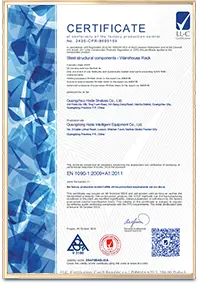
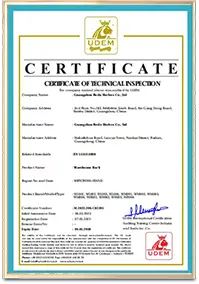
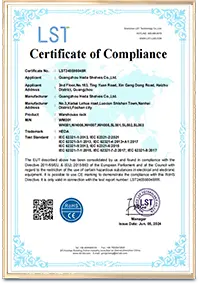
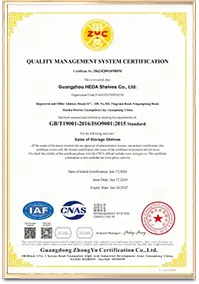
Verified Global Certifications
Our structural rack calculations, material chemistry, and weld joints are independently validated by European notified bodies and certified to international building codes.
- ✔ CE Certificate: No. 2435-CPR-8605159 (EN 15512 European Standard)
- ✔ ISO 9001:2015: Quality Management System No. 18624Q00169R0M
- ✔ RoHS Compliant: Lead-free, heavy-metal-free electrostatic finishes
- ✔ Seismic Analysis: Engineered in accordance with AS4084 and RMI 2012
10-Stage High-Precision Manufacturing Cycle
From prime hot-rolled steel strip inspection to final container lashing, our Guangzhou facility enforces rigorous Quality Control Hold Points (QCHP) ensuring zero defect shipment.
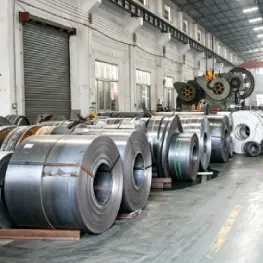 Certified Prime Steel
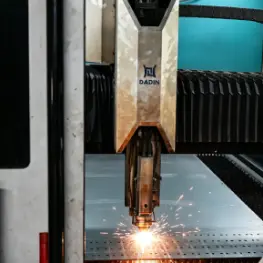 CNC Laser Cutting
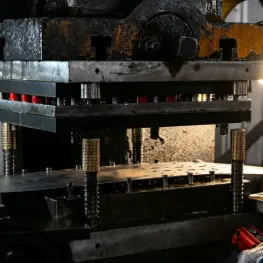 CNC Auto Punching
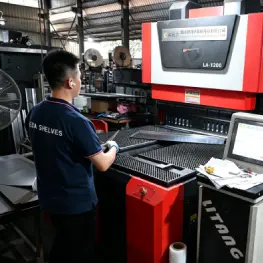 Cold Bending Roll
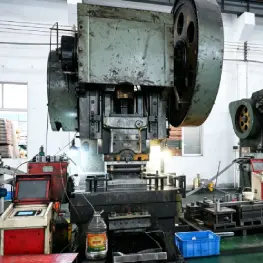 Precision Profiling
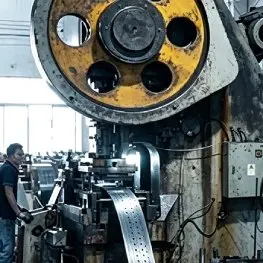 Shot De-Burring
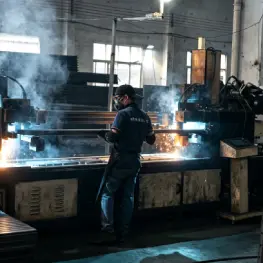 Robotic Arc Welding
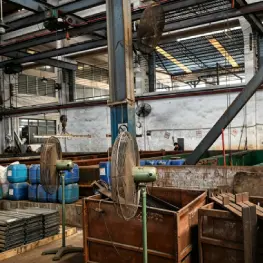 Pickling & Phosphating
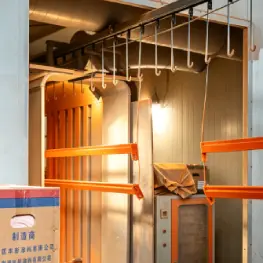 Electrostatic Coating
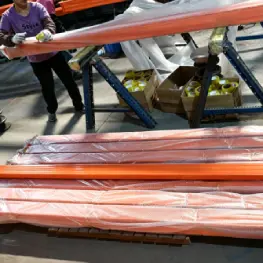 QA Audit & Packing
Push Back Racking Procurement: Frequently Asked Questions
In-depth responses compiled by senior logistics structural engineers to resolve critical commercial, design, structural, and shipping inquiries.
Plan Your High-Density Push Back Warehouse System
Consult directly with Guangzhou Heda Shelves structural engineers. We provide free 3D CAD layout design, structural load calculations, and itemized CIF port price estimates within 24 hours.
Inquire Now