Engineered Double Deep Pallet Racking & High-Density Systems
Double deep pallet systems balance high volumetric utilization with operational selectivity. By storing pallets two-deep in back-to-back configurations, warehouses eliminate 50% of the aisles required in standard selective configurations. Explore our primary product lines below.
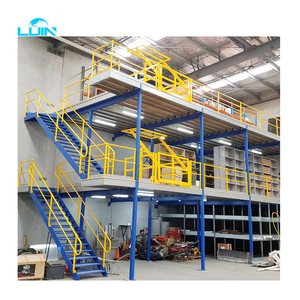
Warehouse Multi Level Steel Shelf Rack Support Mezzanine Attic Rack Racking
Product Details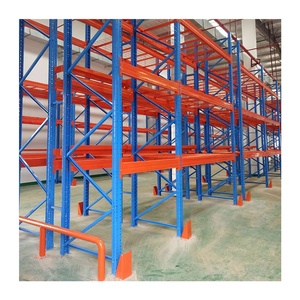
Heavy Duty Industrial Double Deep Stacking Selective Shelving Pallet Racking
Product Details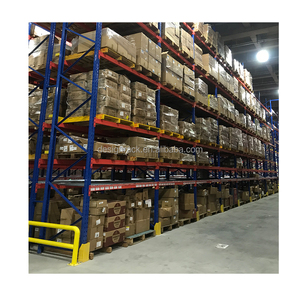
High Density Storage Racking Warehouse Logistics Center Space Saving Double Deep Rack
Product Details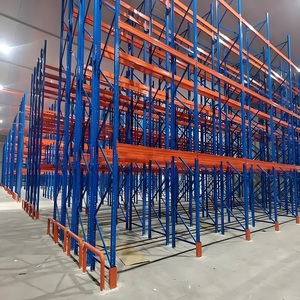
Heavy Duty Industrial Rack Adjustable Steel Garage Storage Shelving Double Deep Pallet Rack
Product Details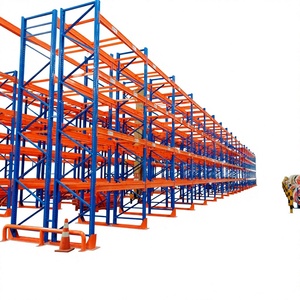
Double Deep Racking System For Flexible Warehouse Storage Distribution Logistics
Product Details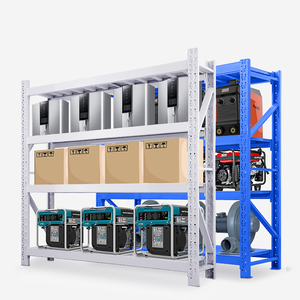
Double Deep Heavy Duty Pallet Rack 6 Meters High Metal Shelving Corrosion Protection
Product Details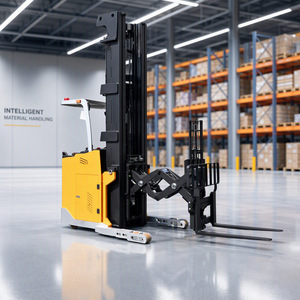
2 Ton 2.5 Ton Double Deep Reach Truck Electric Pantograph Lifting MHE CE
Product Details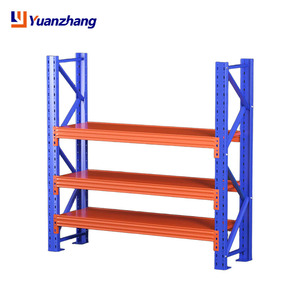
Heavy Duty Double Deep Pallet Racking, Steel Storage for Cold Room & Workshop
Product DetailsEngineering Architecture: Why Double Deep Pallet Racking Delivers High ROI
In modern industrial logistics, the escalating cost of square meterage requires warehouse architects, operations directors, and 3PL providers to balance two opposing variables: storage density and pallet selectivity. While standard selective racking provides 100% immediate selectivity, it requires substantial floor area dedicated solely to forklift aisles, yielding a volumetric space utilization rate of roughly 35% to 40%. Conversely, Drive-In systems provide dense mass storage but sacrifice immediate access, introducing operational bottlenecks.
Double deep pallet racking, constructed and engineered by Guangzhou HEDA Shelves Co., Ltd., serves as the standard compromise for operations with multiple pallets per SKU (typically 2 to 10 pallets). Configured by placing two rows of selective racking back-to-back, the structure permits storing pallets two positions deep from a single aisleway. This reduces warehouse operating aisles by roughly 50%, resulting in a 30% to 40% net gain in overall pallet capacity without altering building geometry.
50% Direct Selectivity
Access 1 out of every 2 pallets instantly. Back pallets are managed using Last-In, First-Out (LIFO) or batch-level FIFO sequencing within each deep pair.
Minimized Capex / Pallet
Double deep configurations utilize standard structural components, avoiding the moving motors, gravity tracks, and electronic sensors found in shuttle systems.
Structural Resiliency
Heavy-duty rolled Q235B cold-rolled profiles engineered with five-hook connectors ensure seismic stability under intensive pantograph handling.
Technical Comparison: Double Deep vs. Other Storage Topologies
Selecting the optimal storage topology requires evaluating storage density, operating aisle requirements, material handling equipment (MHE) capital expenditures, and SKU batch turnover characteristics. The following technical comparison highlights performance metrics across four major warehousing systems:
| Storage Topology | Aisle Footprint Required | Volumetric Storage Density | Direct Pallet Selectivity | MHE Requirements | Best Operating Fit |
|---|---|---|---|---|---|
| Selective Pallet Racking | High (Aisle width 3.2m - 3.8m) | Baseline (35% - 40%) | 100% Immediate | Standard Counterbalance / Reach | High SKU fragmentation, fast picking |
| Double Deep Racking | Reduced (Aisle width 2.9m - 3.3m) | High (+30% to +40% vs Selective) | 50% Immediate (LIFO per slot) | Pantograph Reach / Deep Reach Truck | 2-8 pallets/SKU, cold rooms, fast 3PLs |
| Drive-In Pallet Racking | Minimal (Single entry lane) | Very High (+60% vs Selective) | Low (Lane-dependent LIFO) | Standard Counterbalance (inside lanes) | Homogeneous bulk commodities, seasonal |
| Radio Shuttle System | Minimal (Deep multi-pallet lanes) | Maximum (+75% vs Selective) | Channel-Level Selectivity | Standard Forklift + Automated Cart | Mega-distribution centers, deep cold store |
Future Procurement Trends in Industrial Storage (2026–2030)
Global supply chain managers face rising geopolitical supply volatility, regional urbanization, and stricter corporate ESG mandates. These trends are changing how warehouse racking is specified and procured:
1. Direct Mill-to-Site Sourcing Models
Modern engineering firms increasingly bypass intermediate localized brokers in favor of established Original Equipment Manufacturers (OEMs). Direct procurement from vetted Chinese manufacturers provides transparency regarding steel mill certificates, custom roll-formed column dies, and automated testing results while eliminating retail distribution markups.
2. Integration of Vision-Assisted Pantograph Reach Trucks
Operating a pantograph reach truck requires positioning the forks into the second pallet depth without direct line-of-sight at elevations exceeding 6 meters. Procurement specifications now regularly bundle double deep racking with wireless carriage cameras and ultrasonic fork-tip sensors to maintain high handling speeds and prevent pallet damage.
3. Low-Embodied-Carbon Steel & Eco-Finishes
Global sustainability targets require suppliers to document their environmental footprints. HEDA Shelves addresses this through closed-loop automated electrostatic powder coating lines that recycle excess powder and use phosphate-free zirconium pre-treatment baths, meeting international RoHS standards while extending rust resistance in non-climate-controlled logistics sheds.
Engineering Evolution: Structural Advancements in Double Deep Racking
Double deep systems impose unique shear, torsion, and deflection forces on upright frames and beam connectors because the secondary pallet’s weight is extended across an open beam void. Structural design adjustments have evolved to manage these mechanics:
- Optimized Sectional Profiles: Columns feature cold-bent omega profiles with up to 13 distinct bends across the web and flange, improving resistance to directional buckling under eccentric loading conditions.
- Integrated Pallet Support Bars (Drop-In Ties): Because standard pallets in the second depth can shift off beam flanges during high-elevation placement, structural tie bars and welded guide saddles are now engineered standard across deep bays.
- Laser-Precision Guide Rails: Floor-mounted structural steel guide rails or inductive floor-wire guidance systems keep pantograph reach trucks on track, reducing driver fatigue and frame impacts along narrow operating aisles.
Manufacturer Credentials: Why Choose Guangzhou HEDA Shelves
Guangzhou HEDA Shelves Co., Ltd. (founded in 2001) has manufactured industrial storage equipment for over two decades. Operating a specialized 30,000 square meter fabrication facility with over 300 experienced professionals, HEDA delivers end-to-end industrial storage engineering for global operations.
Full Verification
Certified CE (No. 2435-CPR-8605159) and audited ISO 9001:2015 (No. 18624Q00169R0M, valid to 2027) quality management protocols.
Global Logistics
Direct exports to over 120 nations with container loading plans that prevent shipping transit damage.
Seismic Calculations
Uprights, bracing ties, and anchor footplates calculated to local seismic codes and concrete slab strengths.
Engineering Support
Free custom 3D layouts, structural CAD diagrams, and installation guidance for every project.
Frequently Asked Questions (FAQ) — Double Deep Racking Procurement
What forklift is required to service double deep systems?
Double deep racking requires either a pantograph reach truck equipped with a scissor-extending mechanism or a specialized deep-reach truck with telescopic forks. Regular counterbalance or standard reach trucks cannot service the secondary storage position.
How does double deep affect inventory management (FIFO/LIFO)?
Each paired lane operates on a Last-In, First-Out (LIFO) model because the rear pallet cannot be extracted until the front pallet is removed. However, overall warehouse FIFO is maintained by managing inventory in two-pallet batches or cycling full bays per SKU.
Are pallet guide supports and pallet stop bars mandatory?
While not universally mandated by code, pallet support bars are recommended for the rear pallet positions. Because drivers cannot directly view the rear beam seating at high elevations, support bars provide a safety margin against fork placement errors.
What is the maximum clear storage height for double deep systems?
HEDA Shelves manufactures double deep upright frames to heights of 12 meters or more. In practice, operational height is determined by the mast rigidity and lifting capability of your reach truck, typically landing between 6 and 10 meters.