High Rack Warehouse Systems Engineered for Global Logistics Facilities
From selective structural high-bays to seismic-resistant cold-chain drive-in systems, explore our factory-tested storage assemblies configured for automated and manual multi-tier distribution centers.
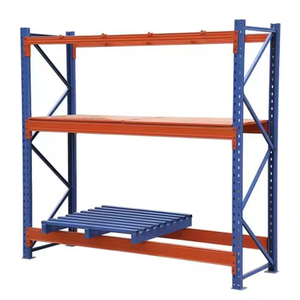
Multi-Level Industrial Pallet Racking With Q235 Steel Frame
Certified cold-formed profile uprights engineered for maximum beam rigidity, offering 100% selective pallet access across high vertical clearances up to 16 meters.
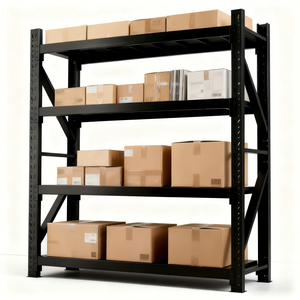
Adjustable Industrial Multi-Tier Stacking Racks & Shelving
Flexible modular layout for intensive carton-picking and intermediate bulk buffering with tool-less beam clip elevation adjustability on 50mm and 75mm pitches.
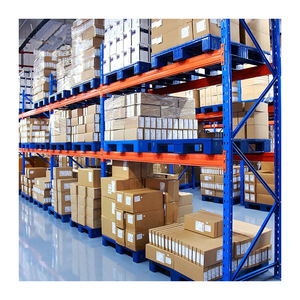
Mracking Heavy Duty Metal Pallet Storage Racking (1T-3T/Layer)
Engineered dual-C boxed step beams and reinforced footplates providing rigorous static safety coefficients exceeding 1.65 under heavy unit loads.
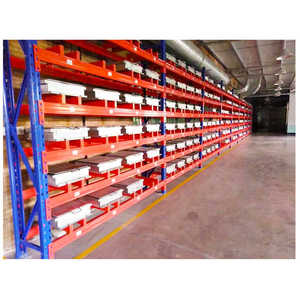
High-Density Warehouse Drive-In Pallet Rack Narrow Lane
Eliminates transit operating aisles to maximize volumetric cubic occupancy by up to 85% for homogeneous product lines, FMCG goods, and bulk storage.
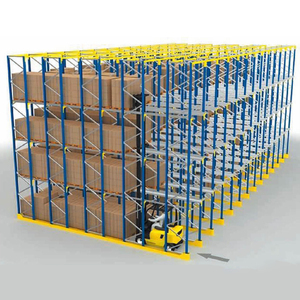
Heavy-Duty Cold Chain Drive-In Pallet Racking Anti-Corrosion
Hot-dip galvanized and heavy epoxy thermoset polymer coatings formulated specifically for sub-zero blast freezer operations down to -35°C without brittleness.
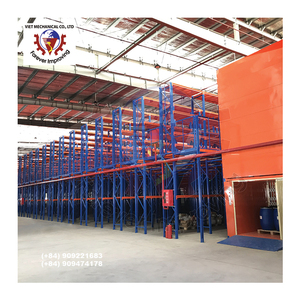
Customized Adjustable Metal Mezzanine Floor Racking System
Engineered structural steel uprights supporting integrated intermediate deck walkways, effectively multiplying overhead floor footprint without structural renovations.
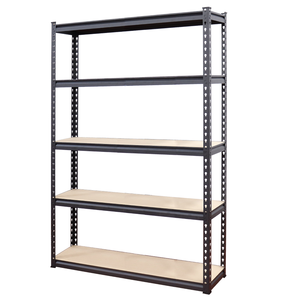
5-Tier Heavy Duty 1.5mm Boltless Frame Shelving (2200 Lbs)
Interlocking keyhole and slotted pillar architecture for rapid tool-less field commissioning, heavy workshop inventory, maintenance tooling, and e-commerce picking.
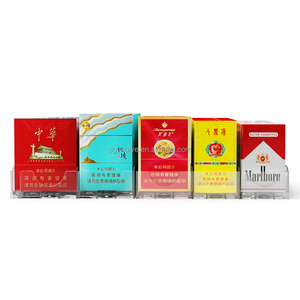
Smart Management Sliding Shelf Pusher System
High-tension calibrated coil spring mechanisms providing continuous front-facing inventory alignment for fast-moving retail SKUs, OTC pharmaceuticals, and small items.
Structural Analysis & Manufacturing Rigor of High-Bay Storage Racks
In high rack storage warehouses exceeding 10 to 30 meters, structural calculation is a critical lifework of engineering physics. As an audited Tier-1 manufacturer, we integrate rigorous finite element method (FEM) modeling to ensure operational resilience under dynamic forces.
Q235B vs. Q355B Metallurgical Grade Selection
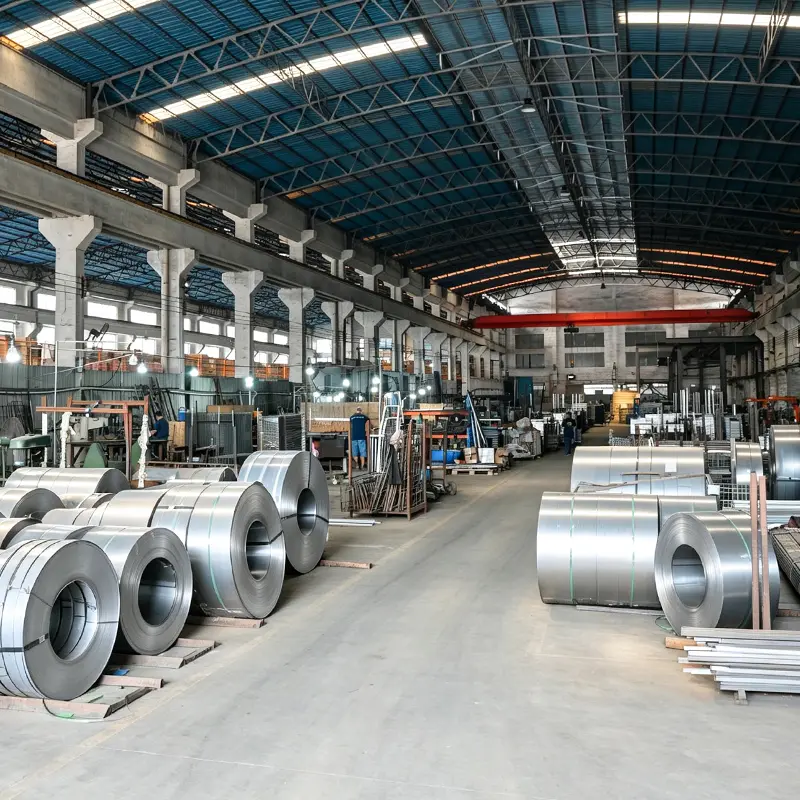
The core structural integrity of industrial high-bay uprights depends on mill-certified structural steel. We select cold-rolled carbon steel coils tested for tensile yield strength (σs ≥ 235 MPa for Q235B and σs ≥ 355 MPa for Q355B). High-rack uprights subjected to large bending-compression interactions utilize high-strength micro-alloyed structural profiles that resist torsional buckling while optimizing self-weight ratios.
- Mill Test Certificate (MTC) verification per heat number
- Charpy V-Notch impact compliance for cold environments
- Elongation capacity (δ5 ≥ 26%) ensuring ductile deformation
Second-Order P-Delta & Seismic Design
Global seismic hazard mitigation mandates non-linear second-order (P-Δ and P-δ) analysis according to ANSI/RMI MH16.1, EN 15512, and AS 4084 standards. Our engineering team calculates ground acceleration coefficients, base isolation parameters, and pallet-beam frictional dissipation factors, preventing progressive structural collapse during seismic events or severe mechanical forklift upright collisions.
- Seismic spectral response acceleration calculations
- Multi-rivet wrap-around connector locks (safety pins ≥ 50kN shear)
- Ductile heavy floor anchor embedment up to 180mm depth
Automated Multi-Stage Anti-Corrosion Line
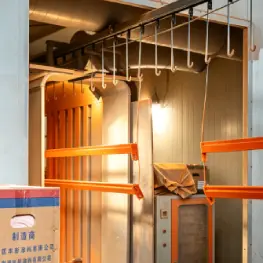
Longevity in harsh coastal distribution hubs and humid tropical warehouses demands advanced chemical pre-treatment. Our 10-stage automated finishing process incorporates industrial degreasing, zinc-phosphate conversion micro-coating, and high-voltage electrostatic TGIC-free polyester powder deposition cured at 200°C for superior impact, scratch, and chemical resistance.
- Dry film thickness guaranteed at 70–100 μm
- ASTM B117 salt spray endurance ≥ 500 hours
- Hot-dip galvanizing per ISO 1461 for corrosive cold storage
| Storage System Type | Typical Height Range | Max Load per Unit Pallet | Space Utilization Ratio | Access Selectivity | Ideal Handling Equipment |
|---|---|---|---|---|---|
| Wide Aisle Selective Racking | Up to 12.0 Meters | 500 – 2,500 kg | 40% – 50% | 100% Direct Immediate | Counterbalance / Reach Trucks |
| Very Narrow Aisle (VNA) High Rack | Up to 18.0 Meters | 800 – 2,000 kg | 65% – 75% | 100% Direct Immediate | Wire/Rail Guided VNA Man-up Trucks |
| Drive-In / Drive-Through Systems | Up to 11.0 Meters | 1,000 – 1,800 kg | 75% – 85% | LIFO / Strict FIFO Batch | Reach Trucks with Overhead Guards |
| Radio Shuttle Automation Racking | Up to 24.0 Meters | 500 – 2,000 kg | 80% – 90% | Deep-Lane High Throughput | Automated Shuttles + AGVs / Reach |
| Automated Storage & Retrieval (AS/RS) | Up to 40.0 Meters | 500 – 3,000 kg | 90% – 95% | High-Speed Automated Crane | Computerized Stacker Cranes (SRMs) |
Global High Rack Procurement Trends: 2026-2030 Horizon
Enterprise supply chain directors and third-party logistics (3PL) conglomerates are shifting from baseline CAPEX pricing toward lifecycle resilience, automated readiness, and localized regulatory compliance.
Shift to Total Cost of Ownership (TCO)
Procurement teams are evaluating racking investments across a 15-year lifecycle. Steel fatigue durability, beam deflection ratios under continuous cyclic loading, and the field-replaceability of modular damaged upright segments take precedence over short-term initial steel procurement discounts.
AGV & AMR Autonomous Integration
Standard high racks are evolving with floor-level navigational clearances, laser-reflective alignment plates, and tight manufacturing tolerances (within ±1.5mm) to support automated guided vehicles (AGVs) and autonomous mobile robots (AMRs) without kinematic interception.
Decarbonization & Low-Carbon Steel
European and American logistics developments increasingly require Environmental Product Declarations (EPD). Modern Chinese tier-1 manufacturers are utilizing electric arc furnace (EAF) low-carbon steel coils and closed-loop water treatment lines in electrostatic powder coating.
Seismic Insurance & Risk Underwriting
Commercial warehouse real estate investors are driven by institutional insurers requiring certified PE (Professional Engineer) structural calculation packages and strict adherence to international building codes (IBC/Eurocodes) prior to approving facility insurance policies.
Technological Innovations Shaping High-Bay Storage Engineering
How automation, real-time telemetry, and structural biomechanics are transforming stationary steel frameworks into intelligent cyber-physical logistics infrastructure.
IoT-Enabled Dynamic Structural Health Monitoring
The integration of micro-electro-mechanical systems (MEMS) accelerometers and wireless strain gauges directly into critical upright base plates and mid-level cross beams. These smart sensors stream continuous telemetry regarding live deflection loads, forklift structural impact vibrations, and post-seismic settling deviations, giving facility directors proactive predictive maintenance warnings prior to micro-fracture propagation.
Ultra-High Tolerances for Automated High-Bay Clad Racks
Rack-supported building structures (clad racks) where the racking itself supports the exterior walls and roof membrane are surging in popularity. These systems eliminate conventional structural building columns, maximizing cubic density up to 45 meters high. Manufacturing roll-forming tolerance standards must maintain laser alignment within sub-millimeter deviation per 10-meter column height.
Cryogenic Metallurgy for Cold Chain Transformation
With rapid global expansion in biological pharmaceuticals, frozen food logistics, and fresh agricultural export, storage racking must withstand permanent temperatures between -25°C and -40°C. Standard commercial steel undergoes brittle transformation under extreme thermal contraction. Modern cold-chain systems employ low-carbon manganese-stabilized steels coupled with duplex thermal spray zinc finishes.
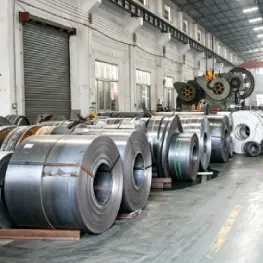
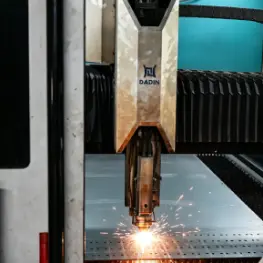
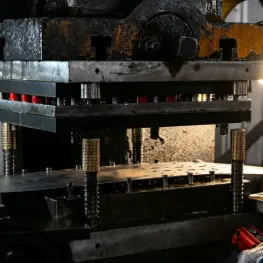
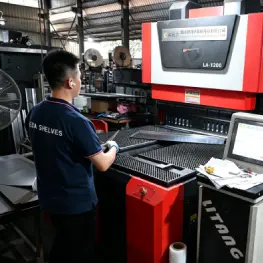
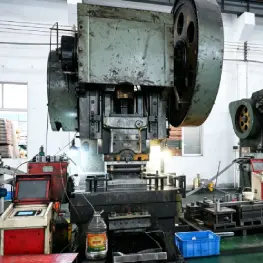
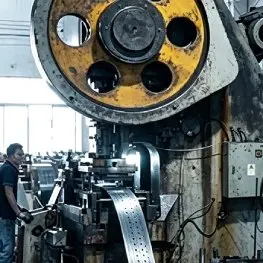
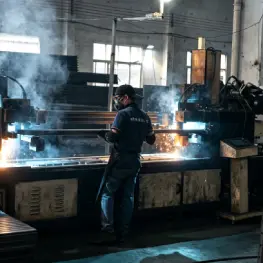
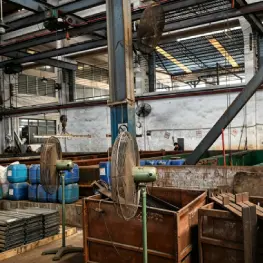
From Certified Steel Coils to Precision High-Bay Components
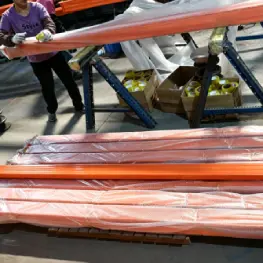
Our 30,000 square meter intelligent manufacturing facility operates ten strictly audited production phases to deliver export-compliant structural racking for high-throughput global supply chains.
Why International Buyers Partner With Us as Their Strategic Exporter
Combining 25+ years of structural manufacturing heritage with specialized export engineering, delivering high rack storage systems to over 120 countries worldwide.
25+ Years Industrial Heritage
Proven track record since 2001, executing over 10,000 successful warehouse projects across retail distribution, heavy manufacturing, automotive hubs, and pharmaceutical cold storage facilities.
Free 3D CAD & Structural Calculations
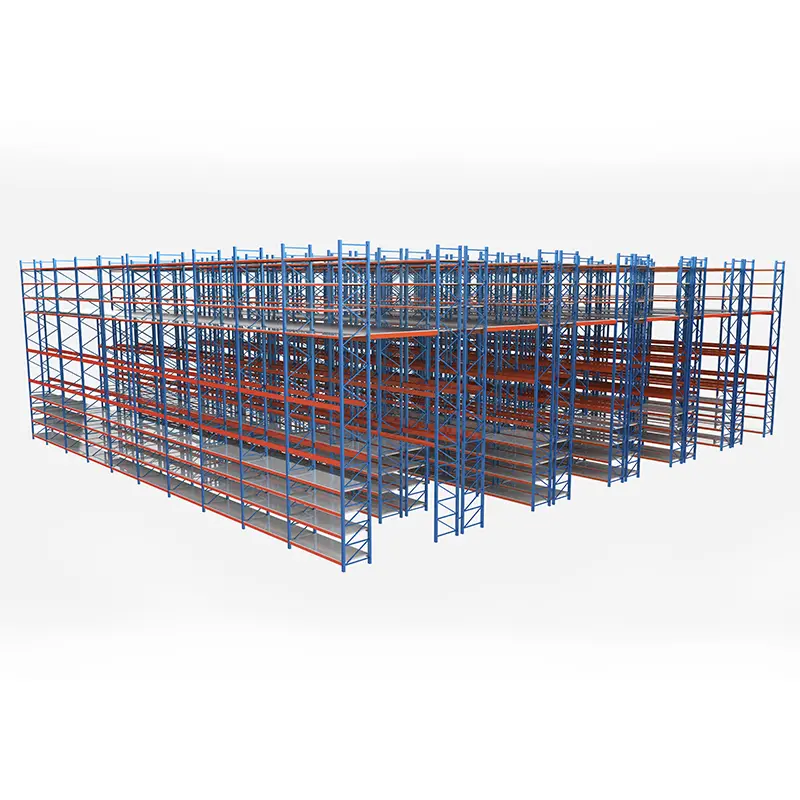
Our in-house team of structural engineers delivers detailed AutoCAD floor plans, Revit BIM 3D models, and comprehensive static/dynamic load calculation books tailored to regional building codes within 48 hours.
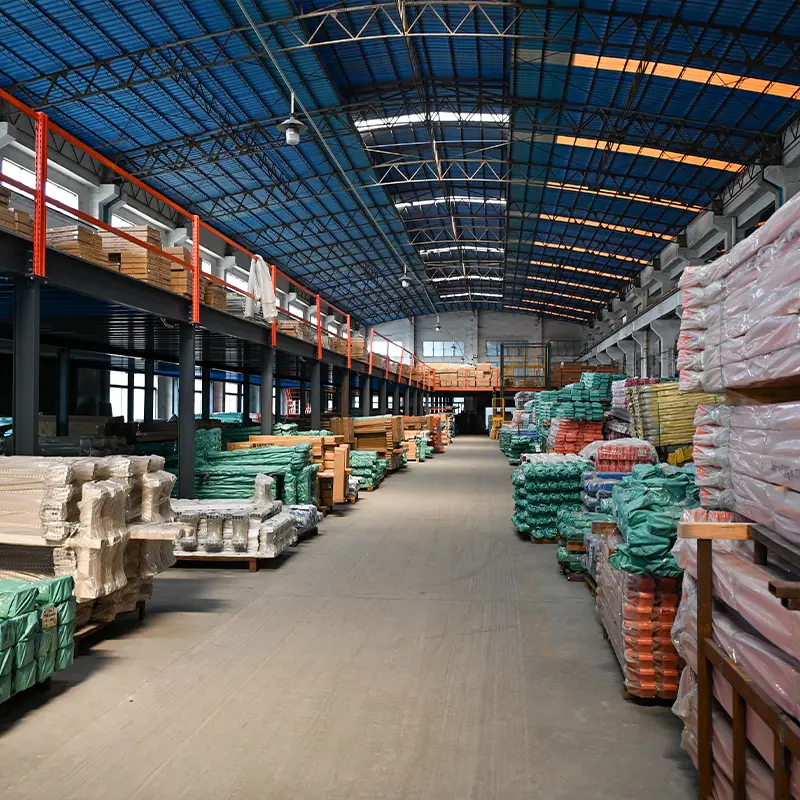
Audited Heavy-Duty Components
Continuous quality testing including ultrasonic weld inspection, tensile coupon destruction testing, and powder film cross-hatch adhesion verification ensures zero structural defect tolerance.
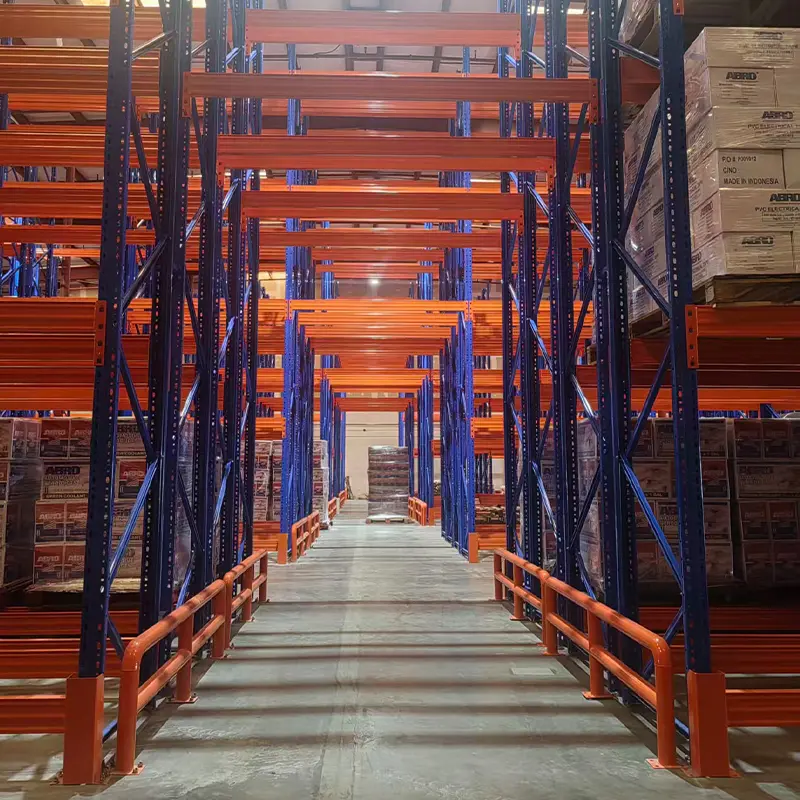
Full Turnkey Customization
Complete structural adaptability across upright sections, beam profiles, custom RAL color codings, wire mesh decking, column crash guards, and tailored seismic base isolators matched to specific slab specifications.
Certified International Quality Standards You Can Trust
Our manufacturing and engineering systems undergo rigorous periodic audits by internationally recognized notified bodies, ensuring full compliance for safety, structural load ratings, and environmental standards.
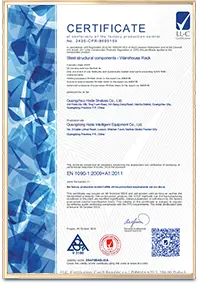
No. 2435-CPR-8605159
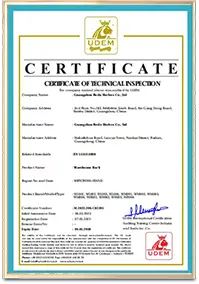
No. 18624Q00169R0M
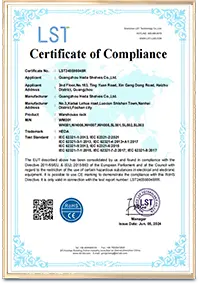
Eco-Safe Polymer Powder Line
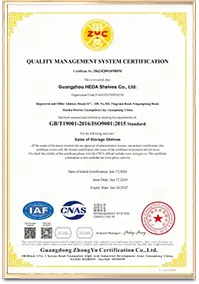
Static Safety Ratio ≥ 1.65
Frequently Asked Questions on High Rack Storage Systems
Direct engineering answers addressing load design parameters, international container logistics, floor slab requirements, and installation safety protocols.
Ready to Optimize Your Warehouse Storage Footprint?
Submit your facility dimensions, clear height, pallet dimensions, and operational throughput targets. Our senior structural engineers will prepare an optimized 2D/3D CAD layout, load capacity analysis, and factory-direct export proposal within 24 hours.